Unlocking AI’s Potential: 5 Practical Solutions for Small Businesses in the U.S.

Advertisements
Implementing artificial intelligence by Q3 2026 offers U.S. small businesses transformative opportunities to enhance efficiency, personalize customer interactions, and foster sustainable growth in a competitive landscape.
The landscape of modern business is rapidly evolving, and for small businesses in the U.S., staying competitive means embracing innovation. One of the most promising avenues for growth and efficiency lies in artificial intelligence. By Q3 2026, forward-thinking small enterprises will be leveraging AI to transform their operations, customer engagement, and overall market position. This article delves into Unlocking AI’s Potential: 5 Practical Solutions for Small Businesses in the U.S. to Implement by Q3 2026, offering actionable insights for integrating these powerful tools into your business model.
Advertisements
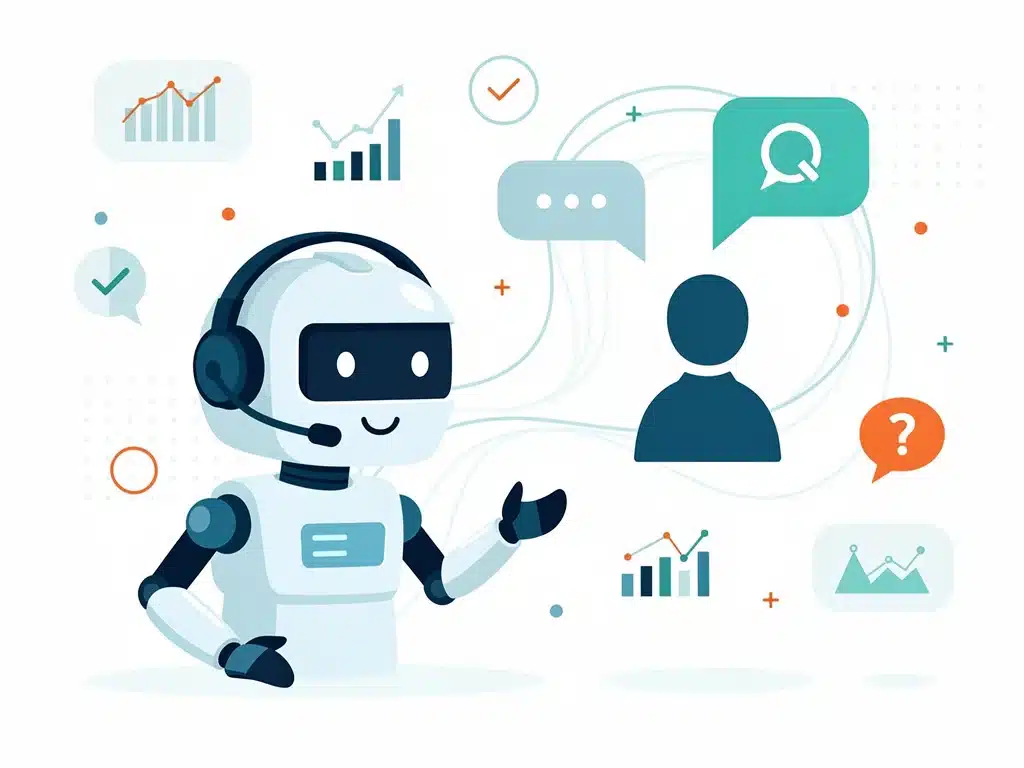
Revolutionizing Customer Service with AI Chatbots and Virtual Assistants
Customer service is often the cornerstone of small business success, and AI is poised to revolutionize this critical area. Implementing AI chatbots and virtual assistants can significantly improve response times, provide 24/7 support, and handle routine inquiries, freeing up human staff for more complex tasks. These solutions are becoming increasingly sophisticated, offering more natural language processing and integration capabilities.
The adoption of AI in customer service is not about replacing human interaction entirely, but rather augmenting it. Chatbots can answer frequently asked questions, guide customers through troubleshooting steps, and even process simple transactions, ensuring that customers receive immediate assistance. This enhances satisfaction and builds loyalty, crucial for small businesses operating in competitive markets.
Benefits of AI-Powered Customer Support
AI chatbots and virtual assistants bring a multitude of advantages to small businesses, making optimal use of resources and improving customer experiences. They operate tirelessly, ensuring no customer query goes unanswered, regardless of the time of day or night.
- 24/7 Availability: Customers can get assistance anytime, improving global reach and convenience.
- Instant Responses: Eliminate wait times, providing immediate answers to common questions.
- Cost Efficiency: Reduce the need for a large customer service team, optimizing operational costs.
- Scalability: Easily handle increased inquiry volumes during peak seasons without additional hiring.
Integrating these AI tools also provides valuable data on customer interactions. This data can be analyzed to identify common pain points, popular products, and areas where service can be further improved. By understanding customer behavior at a deeper level, small businesses can tailor their offerings and strategies more effectively, creating a more personalized and engaging experience.
Streamlining Operations with AI-Powered Automation
Operational efficiency is vital for small businesses to thrive, and AI-powered automation offers a powerful avenue for improvement. From managing inventory to scheduling appointments, AI can take over repetitive, time-consuming tasks, allowing employees to focus on strategic initiatives and higher-value work. This not only boosts productivity but also reduces the likelihood of human error.
Consider the daily routines within your business. Many administrative tasks, data entry, and even initial screening of applications can be automated with AI. By offloading these responsibilities, small business owners and their teams can dedicate more time to innovation, customer relationship building, and business expansion. The impact on overall operational fluidity can be transformative, leading to significant cost savings and faster process execution.
Key Areas for AI Automation
AI automation can be applied across various departments, each offering distinct benefits. Identifying the most impactful areas within your business is the first step toward successful implementation.
- Inventory Management: Predict demand, optimize stock levels, and automate reordering processes.
- Data Entry and Processing: Automate data extraction from documents and input into systems, reducing manual effort.
- Appointment Scheduling: AI-driven systems can manage calendars, send reminders, and book appointments automatically.
- Invoice Processing: Automate the creation, sending, and tracking of invoices, improving cash flow management.
Beyond these, AI can also assist in tasks like email marketing automation, social media content scheduling, and even basic HR functions like onboarding documentation. The goal is to identify bottlenecks in current processes and leverage AI to create more efficient and seamless workflows. This strategic implementation of automation can significantly enhance a small business’s competitive advantage by Q3 2026.
Enhancing Marketing Strategies with AI-Driven Personalization
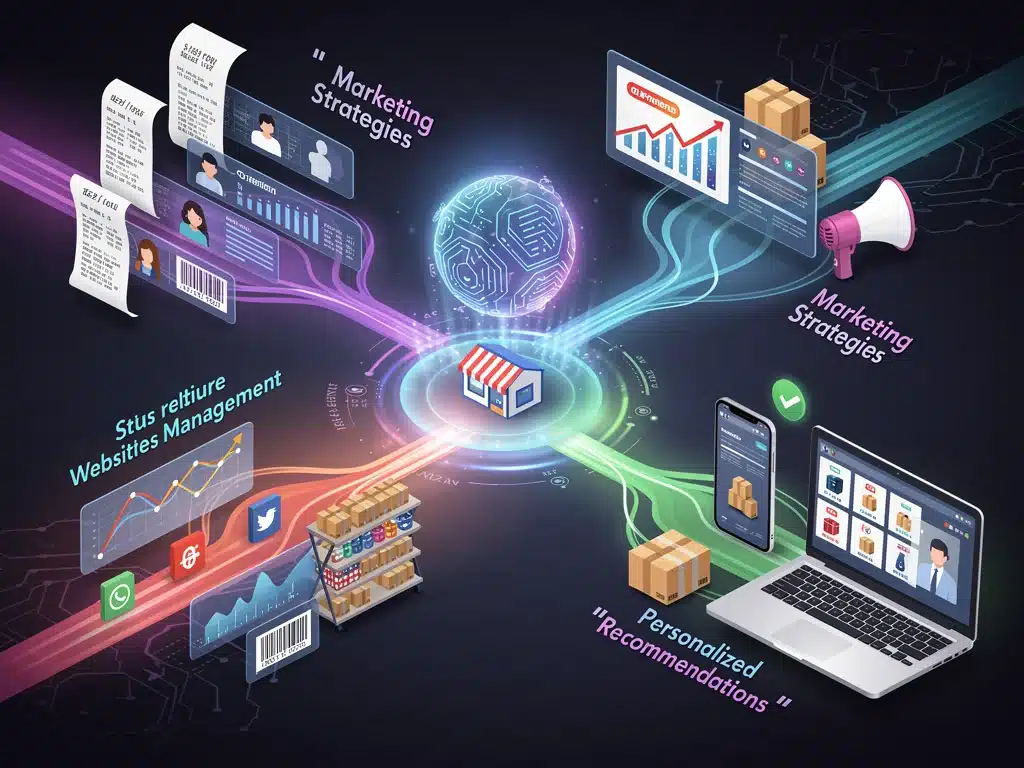
In today’s crowded marketplace, personalized marketing is no longer a luxury but a necessity. AI offers small businesses the ability to collect, analyze, and act on customer data to deliver highly targeted and relevant marketing campaigns. This approach moves beyond generic advertisements, creating unique experiences that resonate deeply with individual customers and drive higher conversion rates.
AI algorithms can analyze purchase history, browsing behavior, demographic information, and even social media interactions to build comprehensive customer profiles. With this data, businesses can segment their audience with precision, tailoring product recommendations, email content, and promotional offers. The result is a more effective marketing spend and a stronger connection with the customer base, fostering loyalty and repeat business.
Personalization Techniques Powered by AI
Implementing AI for personalization involves several key strategies, each designed to optimize customer engagement and marketing effectiveness. These techniques allow small businesses to compete with larger enterprises by offering a superior, individualized experience.
- Dynamic Content: Website content and emails adjust in real-time based on user preferences and past interactions.
- Product Recommendations: AI suggests products or services based on browsing history and similar customer behavior.
- Predictive Analytics: Forecast future customer behavior, allowing for proactive marketing campaigns.
- Targeted Advertising: Deliver ads to specific segments of the audience most likely to convert.
The power of AI in marketing extends to optimizing campaign performance. AI tools can test different ad creatives, headlines, and calls to action to determine which ones yield the best results. This continuous optimization ensures that marketing efforts are always evolving and becoming more effective, maximizing return on investment for small businesses. By Q3 2026, AI-driven personalization will be a standard for successful marketing.
Optimizing Financial Management with AI-Powered Analytics
For many small businesses, financial management can be complex and time-consuming. AI-powered analytics tools can simplify this process by providing deeper insights into financial data, automating reporting, and even predicting future financial trends. This allows business owners to make more informed decisions, manage cash flow effectively, and identify opportunities for growth or areas needing cost reduction.
AI can analyze vast amounts of transactional data, identifying patterns and anomalies that might go unnoticed by human review. This includes fraud detection, expense categorization, and revenue forecasting. By having a clearer, real-time picture of their financial health, small businesses can respond more quickly to market changes and allocate resources more strategically. The precision offered by AI in financial analysis is invaluable.
AI Applications in Financial Management
Leveraging AI for financial management can transform how small businesses handle their accounts, budgeting, and strategic planning. These applications provide a robust framework for financial stability and informed decision-making.
- Fraud Detection: AI algorithms can identify suspicious transactions and flag potential fraud in real-time.
- Expense Categorization: Automate the classification of expenses, streamlining bookkeeping and tax preparation.
- Cash Flow Forecasting: Predict future cash inflows and outflows, helping businesses manage liquidity.
- Budgeting and Planning: Provide data-driven insights to create more accurate and effective budgets.
Beyond these direct applications, AI can also assist in risk assessment, helping small businesses evaluate potential investments or lending opportunities. The ability to analyze market conditions and predict economic shifts gives businesses a significant advantage in planning for the future. By Q3 2026, AI will be an indispensable tool for sound financial management in the small business sector.
Enhancing Security and Data Protection with AI
In an increasingly digital world, data security is paramount, especially for small businesses often targeted by cyber threats. AI plays a crucial role in enhancing security measures and protecting sensitive data from breaches. AI-powered security systems can detect unusual activity, identify potential threats, and respond proactively, often before human intervention is even possible.
Traditional security measures can be overwhelmed by the sheer volume and sophistication of modern cyberattacks. AI, however, can continuously monitor networks, endpoints, and user behavior, learning what is normal and flagging deviations. This proactive approach significantly reduces the risk of data breaches, ransomware attacks, and other cyber incidents that can be devastating for small businesses.
AI in Cybersecurity for Small Businesses
AI’s capabilities in cybersecurity are diverse, offering layers of protection that are both robust and adaptive. Implementing these solutions is a critical step for any small business looking to safeguard its digital assets and maintain customer trust.
- Threat Detection: AI identifies malware, phishing attempts, and other cyber threats with higher accuracy.
- Behavioral Analytics: Monitors user and network behavior to detect anomalies indicative of a breach.
- Automated Incident Response: AI can isolate infected systems or block malicious traffic automatically.
- Vulnerability Management: Helps identify and prioritize security vulnerabilities within systems and applications.
Furthermore, AI can assist in compliance with data protection regulations, ensuring that small businesses meet legal requirements for handling customer data. This not only protects the business from fines but also builds trust with customers who are increasingly concerned about their privacy. By Q3 2026, AI-driven security solutions will be a fundamental component of a comprehensive data protection strategy for U.S. small businesses.
Boosting Employee Productivity through AI Tools
Beyond customer-facing and operational improvements, AI can also significantly enhance internal employee productivity within small businesses. By automating mundane tasks, providing intelligent insights, and facilitating better communication, AI tools empower employees to work more efficiently and focus on their core competencies. This leads to a more engaged workforce and higher overall output.
Imagine AI assisting with research, summarizing lengthy documents, or even generating preliminary drafts of reports. These capabilities free up valuable employee time, allowing them to dedicate their efforts to creative problem-solving, strategic thinking, and direct client engagement. The integration of AI into daily workflows can transform a small team’s capacity, enabling them to achieve more with existing resources.
AI Tools for Internal Productivity
A range of AI tools is available to boost employee productivity, each designed to address specific aspects of daily work. Selecting the right tools can have a profound impact on a small business’s internal efficiency.
- Smart Meeting Assistants: AI can transcribe meetings, summarize key points, and assign action items.
- Content Generation Tools: Assist in drafting emails, marketing copy, or internal communications, saving time.
- Knowledge Management Systems: AI-powered search and organization of internal documents make information easily accessible.
- Project Management Aids: AI can analyze project data to identify potential delays and suggest optimizations.
Moreover, AI can provide personalized learning recommendations for employees, helping them develop new skills and stay current with industry trends. This continuous professional development, supported by AI, contributes to a more skilled and adaptable workforce. By Q3 2026, small businesses that successfully integrate AI productivity tools will see a noticeable uplift in their team’s output and overall job satisfaction, proving AI’s multifaceted value.
| Key Solution | Brief Description |
|---|---|
| AI Chatbots & Virtual Assistants | Provide 24/7 customer support, instant responses, and cost efficiency. |
| AI-Powered Automation | Streamline tasks like inventory, data entry, and scheduling, boosting productivity. |
| AI-Driven Personalization | Enhance marketing with targeted content and product recommendations for customers. |
| AI for Data Protection | Strengthen cybersecurity through advanced threat detection and automated responses. |
Frequently Asked Questions About AI for Small Businesses
AI offers small businesses enhanced operational efficiency through automation, improved customer satisfaction via 24/7 support, data-driven insights for better decision-making, and personalized marketing strategies. These benefits collectively lead to increased competitiveness and sustainable growth in the U.S. market.
Not necessarily. Many AI solutions are now offered on a subscription basis or as cloud-based services, making them affordable and scalable for small businesses. Initial investments can quickly be offset by cost savings from automation and increased revenue from improved customer engagement.
AI thrives on data from various sources, including customer interactions, sales records, website analytics, and operational logs. The more relevant and structured data you can provide, the more accurate and insightful the AI’s analysis and recommendations will be for your specific business needs.
AI significantly boosts cybersecurity by providing advanced threat detection, identifying unusual network behavior, and automating responses to potential breaches. It can proactively flag suspicious activities, helping small businesses protect sensitive data and comply with privacy regulations more effectively than traditional methods.
The first step is to identify a specific pain point or area where AI can provide immediate value, such as customer service or repetitive administrative tasks. Start with a pilot project using a readily available, cost-effective AI tool to demonstrate its benefits before scaling up.
Conclusion
The integration of AI is no longer a futuristic concept but a present-day imperative for small businesses aiming for sustained growth and competitiveness in the U.S. market. By Q3 2026, those who strategically adopt AI solutions for enhanced customer service, streamlined operations, personalized marketing, optimized financial management, and robust data security will undoubtedly lead their respective industries. The potential of AI to transform small businesses is immense, offering not just efficiency gains but also innovative pathways to connect with customers and secure a stronger future. Embracing these practical AI solutions is an investment in resilience, innovation, and long-term success, ensuring that small enterprises remain agile and relevant in an increasingly AI-driven global economy.
