Smart Home Dominance: 70% US Households by 2026
Advertisements
By 2026, over 70% of US households are expected to have at least one smart home device, signaling a profound shift in daily living driven by convenience, security, and energy efficiency innovations.
Advertisements
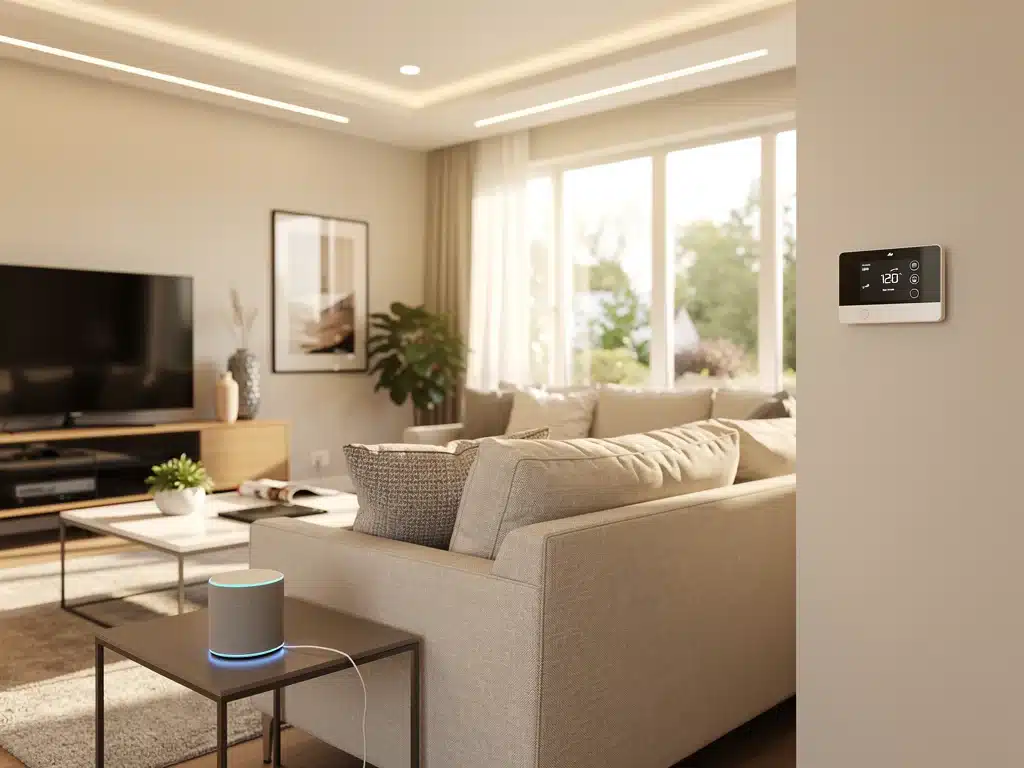
The landscape of American homes is undergoing a significant transformation. It’s been revealed: by 2026, over 70% of US households are expected to have at least one smart home device. This isn’t just a prediction; it’s a testament to how deeply connected technology is integrating into our everyday lives, promising a future where our homes anticipate our needs and respond to our commands.
The smart home revolution: a look at current adoption trends
The journey towards widespread smart home adoption has been a gradual but accelerating one. What began with niche gadgets for early adopters has blossomed into a mainstream phenomenon, touching nearly every aspect of household management and entertainment. Understanding the current trends provides a crucial backdrop to the impressive projections for 2026.
Today’s smart home market is characterized by a diverse array of devices, from voice assistants and smart lighting to sophisticated security systems and energy management tools. Consumers are increasingly drawn to the promise of convenience, enhanced security, and potential cost savings. This growing appeal is reflected in sales figures and user engagement, indicating a strong foundation for future growth.
voice assistants leading the charge
Voice-activated smart speakers, such as Amazon Echo and Google Home, have played a pivotal role in normalizing smart home technology. Their intuitive interface and broad utility have made them an entry point for many households.
- Accessibility: Easy setup and use for all age groups.
- Central control: Act as hubs for other smart devices.
- Information at hand: Quick access to news, weather, and entertainment.
Beyond voice assistants, connected lighting, smart thermostats, and security cameras are also seeing significant uptake. These devices offer tangible benefits that resonate with homeowners looking to modernize their living spaces. The ease with which these technologies can be integrated into existing routines has undoubtedly fueled their popularity.
The current adoption trends highlight a shift from individual smart devices to more interconnected ecosystems. As consumers gain experience with one smart product, they often look to expand their smart home capabilities, leading to a more comprehensive and automated living environment. This interconnectedness is a key driver of the projected growth.
In conclusion, the present state of smart home adoption showcases a robust and expanding market. With voice assistants paving the way and a growing ecosystem of devices offering tangible benefits, the stage is set for the remarkable growth anticipated in the coming years. This foundational understanding is essential for grasping the magnitude of the 2026 forecast.
Driving forces behind smart home proliferation
What exactly is propelling this rapid expansion of smart home technology across US households? Several interconnected factors are at play, each contributing to the increasing desirability and accessibility of these devices. It’s a confluence of technological advancements, economic shifts, and evolving consumer expectations that creates a fertile ground for smart home growth.
One of the primary drivers is the continuous innovation in hardware and software. Devices are becoming more affordable, more reliable, and easier to use. The ‘plug-and-play’ nature of many modern smart devices removes significant barriers to entry for less tech-savvy consumers, making the smart home dream a reality for a broader demographic.
economic accessibility and affordability
The cost of smart home technology has steadily decreased over time, making it accessible to a wider range of income levels. Competition among manufacturers has driven down prices while simultaneously improving features and performance.
- Lower entry costs: Basic smart devices are now highly affordable.
- Increased competition: Drives down prices and expands product variety.
- Value proposition: Perceived long-term savings through energy efficiency.
Beyond affordability, the desire for convenience and comfort heavily influences purchasing decisions. Smart devices automate mundane tasks, allow for remote control of home functions, and create personalized living environments. Imagine adjusting your thermostat from your office, or having your lights turn on automatically as you arrive home – these are realities that resonate deeply with busy individuals and families.
Furthermore, heightened awareness around home security and energy efficiency plays a significant role. Smart security cameras, doorbells, and locks offer peace of mind, while smart thermostats and lighting systems promise reductions in utility bills. These practical benefits provide compelling reasons for consumers to invest in smart home technology, aligning with both financial prudence and personal safety concerns.
Ultimately, the proliferation of smart homes is driven by a powerful combination of technological maturation, economic accessibility, and a clear value proposition that addresses modern consumer needs for convenience, security, and efficiency. These forces collectively ensure that the smart home trend is not merely a passing fad but a foundational shift in how we interact with our living spaces.
Benefits beyond convenience: security, efficiency, and wellness
While convenience often serves as the initial lure for smart home adoption, the deeper, more impactful benefits lie in areas such as enhanced security, significant energy efficiency, and even improved personal wellness. These advantages are increasingly swaying consumers, making smart home devices indispensable tools for modern living rather than mere luxuries.
Smart security systems offer a level of protection previously only available through professional monitoring services, now accessible directly to homeowners. From motion-activated cameras with live feeds to smart locks that can be controlled remotely, these devices provide peace of mind whether residents are home or away. The ability to monitor one’s property from anywhere is a powerful incentive.
enhanced home security features
Modern smart security solutions integrate various components to create a robust defense system, offering proactive monitoring and immediate alerts.
- Remote monitoring: View live camera feeds from anywhere.
- Smart locks: Grant or revoke access remotely, track entries and exits.
- Alerts and notifications: Instant warnings for unusual activity or intrusions.
Energy efficiency is another cornerstone of the smart home revolution. Smart thermostats learn household routines and adjust temperatures accordingly, minimizing waste. Smart lighting can be programmed to turn off when rooms are empty or dim to conserve power. These features not only reduce environmental impact but also translate into tangible savings on monthly utility bills, a strong motivator for many households.
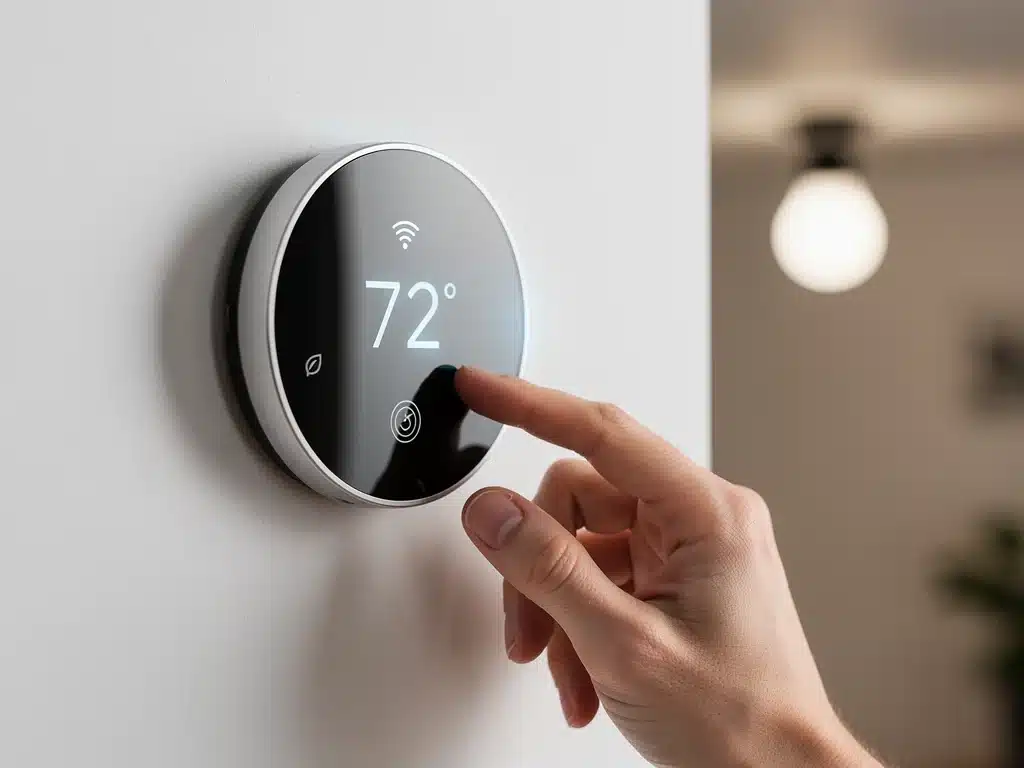
Beyond the practical, smart homes are also contributing to personal wellness. Smart lighting can mimic natural daylight cycles, promoting better sleep and mood. Air quality monitors can detect pollutants and trigger air purifiers. These subtle integrations contribute to a healthier and more comfortable living environment, demonstrating the holistic impact of smart technology.
In essence, the smart home offers a multifaceted value proposition. It’s not just about turning on lights with your voice; it’s about safeguarding your family, saving resources, and fostering a healthier lifestyle. These comprehensive benefits are critical in understanding why so many US households are embracing this technological shift, and why the 2026 projections are so significant.
The role of interoperability and standardization
As the smart home ecosystem expands, the concept of interoperability—the ability of different devices and systems to work together seamlessly—becomes paramount. Early smart home adopters often faced challenges with incompatible gadgets from various manufacturers. However, significant strides in standardization are now paving the way for a more unified and user-friendly experience, accelerating adoption rates.
Industry leaders and consortia are actively developing common communication protocols and platforms. Standards like Matter, Zigbee, and Z-Wave aim to break down silos between brands, ensuring that a smart bulb from one company can communicate effectively with a smart hub from another. This push towards universal compatibility simplifies the user experience and reduces consumer frustration.
key interoperability standards
Several protocols are vying for dominance or aiming to create a cohesive framework for smart devices to interact.
- Matter: A new, open-source standard designed to enable seamless communication across diverse smart home devices and platforms.
- Zigbee: A widely adopted wireless technology for low-power, low-bandwidth applications, ideal for many smart home sensors.
- Z-Wave: Another popular wireless protocol known for its reliability and mesh networking capabilities in home automation.
The importance of these standards cannot be overstated. When consumers can confidently purchase devices from different brands knowing they will work together, it removes a major barrier to entry. This fosters greater innovation, as companies can focus on developing unique features rather than proprietary communication methods. The result is a richer, more diverse market of smart home products that are easier to integrate.
Furthermore, cloud-based platforms and APIs (Application Programming Interfaces) also play a crucial role in interoperability. These allow different services and devices to exchange data and commands over the internet, enabling complex automations and integrations that might not be possible locally. The rise of these platforms has transformed the smart home from a collection of individual gadgets into a cohesive, intelligent system.
In conclusion, the drive towards greater interoperability and standardization is a critical enabler of smart home growth. By simplifying the integration process and ensuring compatibility across brands, these efforts are making smart home technology more accessible, appealing, and ultimately, more pervasive in US households. This collaborative approach is vital for the continued evolution of the connected home.
Challenges and considerations for widespread adoption
Despite the optimistic projections, the path to over 70% smart home adoption by 2026 is not without its hurdles. Several challenges and considerations need to be addressed to ensure a smooth and equitable transition to a fully connected future. These range from privacy concerns and cybersecurity risks to the digital divide and the sheer complexity of managing multiple devices.
One of the most significant concerns for consumers is data privacy. Smart devices collect vast amounts of personal data, from daily routines to voice commands and even video footage. Ensuring this data is securely handled and not misused is paramount to building and maintaining consumer trust. Breaches or perceived invasions of privacy could severely impede adoption rates.
addressing privacy and security concerns
Robust security measures and transparent data policies are essential to reassure users and protect their sensitive information.
- Data encryption: Protecting data during transmission and storage.
- Regular updates: Patching vulnerabilities and improving security features.
- Clear privacy policies: Informing users about data collection and usage.
Cybersecurity is another critical aspect. Smart home devices, if not properly secured, can become entry points for cyberattacks, potentially compromising not only personal data but also the physical security of a home. Manufacturers and users alike must prioritize strong passwords, two-factor authentication, and keeping device software up to date.
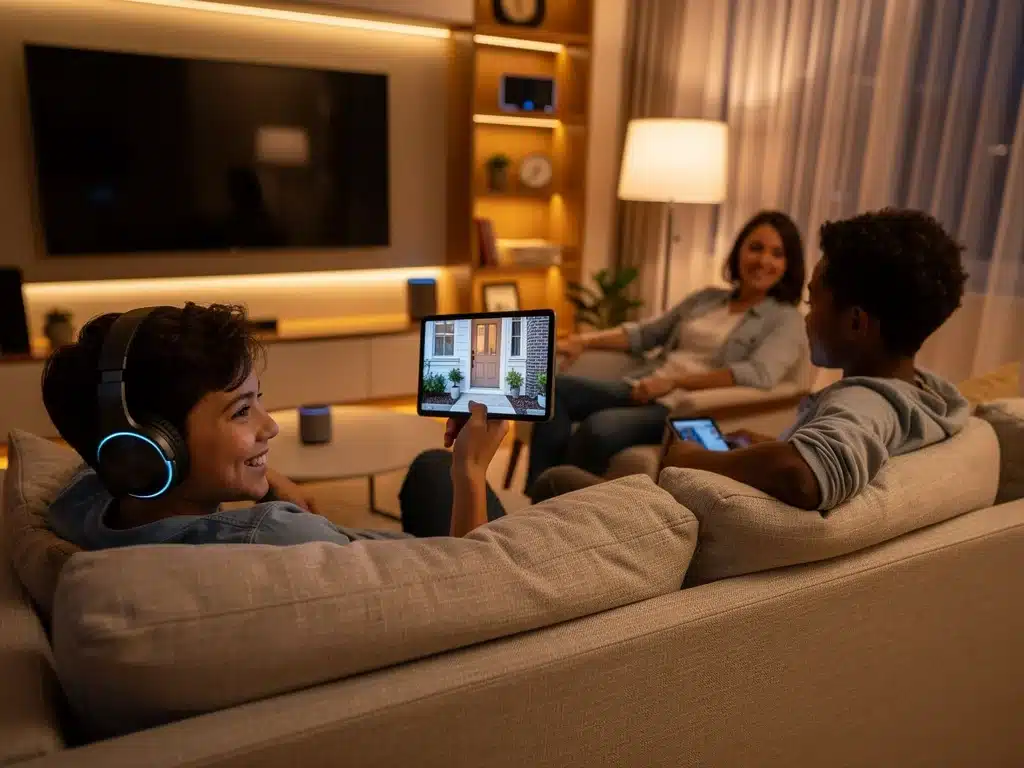
The digital divide also presents a challenge. While smart home devices are becoming more affordable, access to reliable broadband internet and the technical literacy required to set up and manage these systems are not universal. Efforts to bridge this gap will be crucial to ensure that the benefits of smart homes are accessible to all segments of the US population.
Finally, the sheer complexity of managing a growing number of smart devices can be overwhelming for some users. The need for intuitive interfaces, seamless integration, and reliable customer support becomes increasingly important as homes become more connected. Addressing these challenges effectively will be key to realizing the full potential of smart home technology by 2026.
The future landscape: beyond 2026 and hyper-personalization
Looking beyond the impressive 2026 milestone, the future of smart homes promises an even more integrated, intuitive, and hyper-personalized living experience. The current trajectory suggests that smart devices will evolve from merely responding to commands to proactively anticipating needs, learning preferences, and seamlessly adapting the home environment to individual inhabitants.
Artificial intelligence (AI) and machine learning (ML) will be at the heart of this evolution. Homes will become truly intelligent, capable of understanding complex patterns in behavior, predicting energy usage, and even detecting subtle changes in residents’ health. This level of predictive intelligence moves beyond simple automation to genuine ambient computing, where technology fades into the background, working silently to enhance life.
ambient intelligence and predictive analytics
Future smart homes will leverage advanced AI to create environments that are both responsive and anticipatory, learning from daily interactions.
- Proactive adjustments: Temperature, lighting, and music adapt automatically based on learned routines and external factors.
- Health monitoring: Integrated sensors track well-being, alerting to potential issues.
- Enhanced security: AI-powered surveillance identifies anomalies with greater precision.
Hyper-personalization will define the next generation of smart homes. Imagine a home that adjusts lighting to your mood, plays your favorite music as you enter a room, or even prepares your coffee just as your alarm goes off. These experiences will be tailored not just to the household, but to each individual within it, creating truly bespoke living spaces.
Furthermore, the integration of smart home technology with urban infrastructure and smart cities will create a broader connected ecosystem. Homes will communicate with the grid to optimize energy consumption, with traffic systems to plan commutes, and with healthcare providers for remote monitoring. This expansive connectivity will blur the lines between private living spaces and the wider community.
In conclusion, the post-2026 smart home landscape will be characterized by profound intelligence, individual customization, and seamless integration with the outside world. The journey towards 70% adoption is merely a stepping stone to a future where our homes are not just smart, but truly sentient, enhancing every facet of our daily existence in ways we are only beginning to imagine.
Preparing for the smart home era: tips for consumers
With the projection that over 70% of US households will have at least one smart home device by 2026, many consumers are wondering how to best prepare for or integrate into this rapidly evolving smart home era. The key lies in strategic planning, understanding one’s needs, and prioritizing security and compatibility when making purchasing decisions.
Starting small is often the best approach. Instead of overhauling your entire home at once, identify a specific need or area where smart technology can offer immediate value. Perhaps it’s a smart thermostat to save on energy bills, a smart speaker for convenience, or a smart doorbell for enhanced security. This allows for a gradual learning curve and helps in understanding what works best for your household.
smart home integration strategy
Consider a phased approach to building your smart home, focusing on devices that offer the most immediate benefits and align with your long-term goals.
- Identify needs: What problems can smart tech solve for you (e.g., energy savings, security, convenience)?
- Research compatibility: Choose devices that work together, ideally within a common ecosystem or standard like Matter.
- Prioritize security: Opt for brands with strong privacy policies and robust security features.
Researching compatibility is crucial. The market is filled with various brands and platforms, and ensuring your chosen devices can communicate with each other will prevent frustration down the line. Look for devices that support common standards or belong to the same ecosystem (e.g., Apple HomeKit, Google Home, Amazon Alexa) if you prefer a unified experience.
Furthermore, never overlook the importance of cybersecurity. When setting up new devices, change default passwords, enable two-factor authentication where available, and keep your device firmware updated. A secure smart home is a safe home, protecting both your data and your physical property from potential threats.
Finally, consider the long-term implications. As your smart home grows, think about how new devices will integrate with existing ones. Planning for scalability and future upgrades will ensure your smart home remains functional and relevant for years to come. By taking these proactive steps, consumers can confidently embrace the smart home era and enjoy its many benefits.
| Key Aspect | Brief Description |
|---|---|
| 70% US Households by 2026 | Projection of widespread smart home device adoption across American homes within the next few years. |
| Key Drivers | Affordability, convenience, enhanced security, and energy efficiency are propelling growth. |
| Interoperability | Standards like Matter are simplifying device integration and user experience. |
| Future Trends | Beyond 2026, expect hyper-personalization, AI-driven ambient intelligence, and greater urban integration. |
Frequently asked questions about smart home adoption
This projection indicates that smart home technology is becoming a standard, rather than a luxury, in American homes. It suggests that most households will experience increased convenience, security, and energy efficiency through connected devices, fundamentally changing daily routines and home management practices.
The forecast includes a wide range of devices, such as smart speakers (e.g., Alexa, Google Home), smart thermostats, connected lighting systems, security cameras, smart door locks, and various sensors for environmental monitoring. Essentially, any device that connects to a network to offer automated or remote control features is considered.
Yes, privacy is a significant concern. Smart devices collect personal data about habits and preferences. It’s crucial for consumers to choose reputable brands with strong privacy policies, understand how their data is used, and secure their networks with robust passwords and two-factor authentication to mitigate risks.
To ensure compatibility, look for devices that adhere to universal standards like Matter, or those that are part of the same ecosystem (e.g., Google Home, Apple HomeKit). Reading product specifications and reviews can also help identify potential integration issues before purchase, fostering a seamless connected experience.
The primary benefits driving adoption are enhanced convenience through automation, improved home security with features like remote monitoring, and significant energy savings from smart thermostats and lighting. These tangible advantages offer a compelling value proposition that resonates with a broad spectrum of consumers.
Conclusion
The projection that over 70% of US households will embrace at least one smart home device by 2026 underscores a transformative shift in our relationship with technology and our living spaces. This isn’t merely about owning gadgets; it’s about redefining convenience, bolstering security, and optimizing efficiency in ways that were once confined to science fiction. As interoperability improves and devices become more intuitive, the smart home will cease to be a novelty and become an indispensable component of modern American life, promising a future where our homes are not just structures, but intelligent partners in our daily existence.
