Metaverse Economy: Untapped U.S. Opportunities for Innovators in 2026
Advertisements
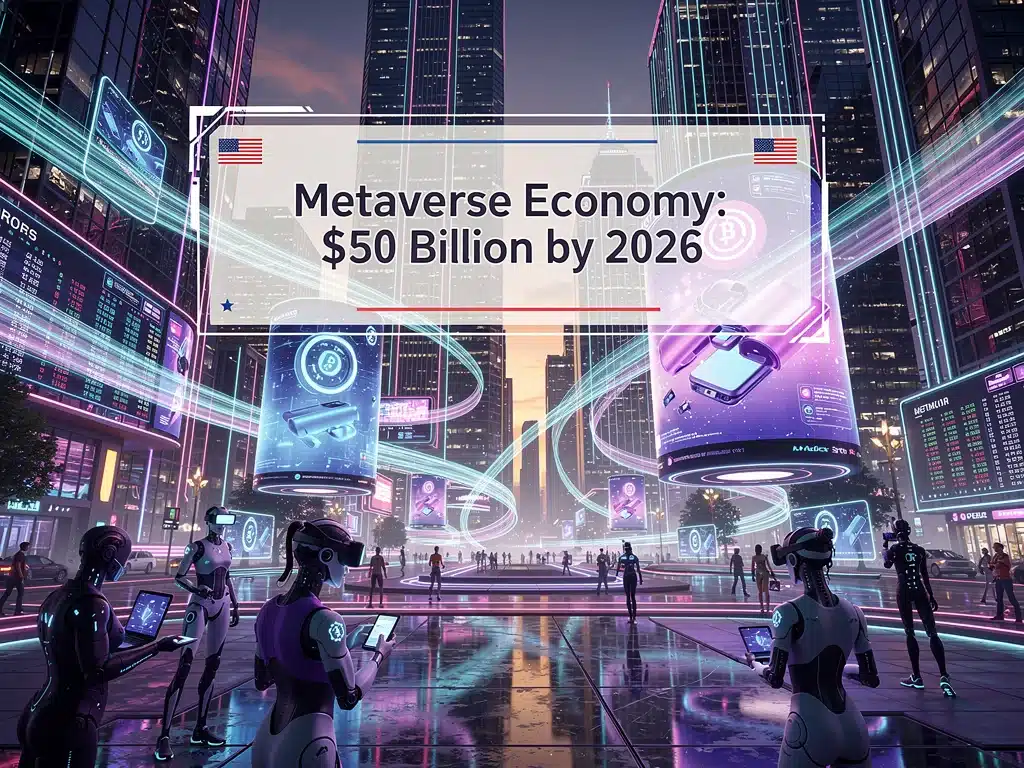
The metaverse economy opportunities for U.S. innovators are poised for substantial growth, with a projected $50 billion market by 2026, driven by advancements in virtual experiences, digital asset creation, and infrastructure development.
The digital frontier is expanding at an unprecedented rate, and at its heart lies the burgeoning metaverse economy opportunities. For U.S. innovators, this isn’t just a buzzword; it’s a tangible, rapidly evolving landscape projected to hit a staggering $50 billion market by 2026. This article will explore three pivotal, yet largely untapped, opportunities within this immersive digital realm, offering insights for those ready to shape its future.
Advertisements
The Dawn of Persistent Virtual Worlds: Beyond Gaming
The metaverse is often mistakenly equated solely with gaming, yet its true potential extends far beyond interactive entertainment. We are witnessing the genesis of persistent virtual worlds, digital spaces designed for enduring presence and multifaceted interaction, mirroring and even enhancing real-world activities. This shift opens up a vast array of possibilities for U.S. innovators, moving beyond temporary game sessions to create foundational digital environments.
These persistent worlds are not just about escapism; they are about establishing new paradigms for work, education, social interaction, and commerce. Imagine virtual campuses where students from across the globe attend lectures, collaborate on projects, and engage in extracurriculars, all within a seamlessly integrated digital space. Or consider corporate metaverses, offering immersive meeting rooms, collaborative design studios, and virtual storefronts that transcend geographical limitations. The underlying infrastructure and applications for these complex, persistent environments represent a significant, yet still largely undeveloped, market.
Building the Infrastructure for Persistence
Creating truly persistent virtual worlds requires robust technological foundations. Innovators are needed to develop scalable cloud computing solutions, advanced rendering engines, and sophisticated networking protocols to handle the immense data and concurrent users these worlds will demand. This isn’t just about speed; it’s about stability, security, and interoperability.
- Decentralized Architectures: Exploring blockchain-based solutions for secure ownership, identity management, and economic transactions within these worlds.
- AI-Powered NPCs and Environments: Developing intelligent non-player characters (NPCs) that can enhance user experiences, provide services, and populate virtual spaces dynamically.
- Cross-Platform Compatibility: Ensuring that virtual worlds are accessible across various devices and operating systems, from VR headsets to mobile phones.
Monetization Models in Persistent Worlds
The economic models within these persistent virtual worlds are still being defined, offering fertile ground for creative U.S. innovators. Beyond traditional in-game purchases, opportunities exist in virtual real estate, digital advertising, event hosting, and the creation of unique digital assets. The ability to own and trade digital property, for instance, creates an entirely new asset class.
Furthermore, businesses can establish virtual presences, offering digital versions of their products and services, or entirely new metaverse-native offerings. Think of virtual concerts, fashion shows, or educational workshops that can be monetized through ticket sales, sponsorships, and exclusive digital merchandise. The potential for recurring revenue streams through subscriptions for premium experiences or access to exclusive areas is also immense. Innovators who can devise sustainable and engaging monetization strategies will be at the forefront of this economic revolution.
The development of persistent virtual worlds represents a foundational shift, moving the metaverse from a collection of disparate experiences to an interconnected digital reality. U.S. innovators have a crucial role in building the infrastructure and defining the economic models that will underpin this next generation of digital interaction, ensuring these worlds are not only engaging but also economically viable and sustainable.
Digital Asset Creation & Ownership: The NFT Evolution
The rise of Non-Fungible Tokens (NFTs) has undeniably captured global attention, but their full integration and utility within the burgeoning metaverse economy opportunities remain largely untapped, especially for U.S. innovators. NFTs are not merely digital collectibles; they are proofs of ownership for unique digital assets, and their potential applications within the metaverse are transformative, extending far beyond art and profile pictures.
Imagine a metaverse where every item you own, from your avatar’s clothing to your virtual home’s furniture, is a unique, verifiable NFT. This paradigm shift from simple digital copies to provably scarce and transferable digital assets creates entirely new markets and economic behaviors. For U.S. innovators, the opportunity lies in building the tools, platforms, and experiences that leverage this fundamental change in digital ownership, making it accessible and valuable to a broader audience.
Expanding NFT Utility Beyond Collectibles
While digital art and collectibles paved the way, the true power of NFTs in the metaverse will come from their utility. Innovators can focus on creating NFTs that serve functional purposes within virtual worlds, enhancing user experience and fostering deeper engagement. This could include:
- Gaming Assets: Unique weapons, armor, or characters that can be owned, traded, and used across multiple metaverse games.
- Virtual Real Estate Deeds: NFTs representing ownership of land parcels, buildings, or entire districts within virtual worlds, enabling development and rental income.
- Identity and Access Tokens: NFTs that grant exclusive access to certain areas, events, or communities within the metaverse, serving as digital keys or membership cards.
The development of interoperable NFTs, which can seamlessly transition between different metaverse platforms, is a particularly challenging yet rewarding area. This would unlock true portability of digital assets, fundamentally changing how users interact with and invest in their virtual lives.
Platforms for Secure NFT Trading and Management
As the volume of digital assets grows, so too does the need for secure, user-friendly platforms for their creation, trading, and management. U.S. innovators can capitalize on this by developing next-generation NFT marketplaces that offer enhanced features, better security protocols, and intuitive interfaces. These platforms will need to cater to both seasoned crypto enthusiasts and newcomers, simplifying the complexities of blockchain technology.

Furthermore, the development of escrow services, fractional ownership models for high-value NFTs, and robust intellectual property protection mechanisms for digital creators are all critical areas awaiting innovative solutions. The legal and ethical frameworks surrounding digital asset ownership are still nascent, presenting opportunities for innovators to establish best practices and build trust within this new economy.
The evolution of NFTs from speculative assets to fundamental building blocks of the metaverse economy represents a significant opportunity. U.S. innovators who focus on expanding their utility, enhancing security, and creating accessible platforms will be instrumental in shaping the future of digital ownership and driving substantial growth in this sector.
Immersive Education & Training Solutions
The traditional models of education and professional training are ripe for disruption, and the metaverse offers an unparalleled platform for truly immersive and engaging learning experiences. While some educational tools exist, the full potential of the metaverse for education and training remains largely untapped, presenting significant metaverse economy opportunities for U.S. innovators.
Imagine medical students performing complex surgeries in a virtual operating room, engineers designing and testing prototypes in a simulated environment, or history students walking through ancient civilizations as if they were there. These are not distant fantasies; they are becoming achievable realities within the metaverse. The ability to create realistic, interactive, and risk-free learning environments offers a profound advantage over conventional methods, leading to higher retention rates and practical skill development.
Virtual Classrooms and Labs
Beyond simple video conferencing, metaverse-based education can create dynamic virtual classrooms where students and instructors interact with 3D models, conduct experiments in virtual labs, and collaborate on projects in shared digital spaces. This offers a level of engagement and hands-on experience that is difficult to replicate in traditional online or even physical settings.
- Interactive Simulations: Developing physics-based simulations for engineering, chemistry, or even artistic design, allowing learners to manipulate variables and observe outcomes in real-time.
- Language Immersion: Creating virtual environments where language learners can practice conversations with AI-powered avatars or other students in culturally rich settings.
- Accessibility Features: Designing inclusive metaverse learning environments that cater to diverse learning styles and accessibility needs, leveraging spatial audio and customizable interfaces.
U.S. innovators can focus on developing specialized educational content, platforms, and tools that cater to specific disciplines, from K-12 education to advanced professional development. The demand for highly skilled workers in emerging technologies makes metaverse-based training particularly valuable.
Corporate Training and Skill Development
The corporate sector stands to benefit immensely from metaverse-driven training solutions. Companies can create virtual onboarding experiences, conduct safety training in simulated hazardous environments, or provide sales teams with interactive product demonstrations. This not only reduces costs associated with physical training but also allows for repeatable, standardized, and highly effective learning modules.
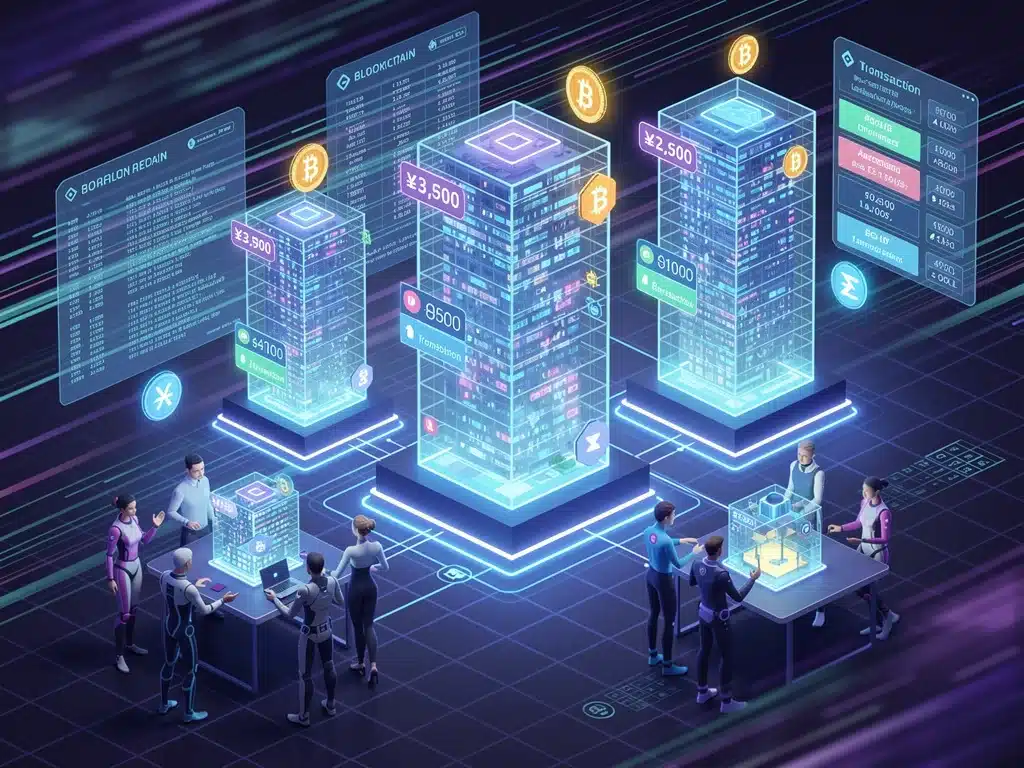
Furthermore, the metaverse can facilitate the development of soft skills through role-playing scenarios with AI or other participants, allowing employees to practice communication, leadership, and problem-solving in a low-stakes environment. The ability to track progress and provide personalized feedback within these immersive settings will be a game-changer for corporate learning and development.
The intersection of education, training, and the metaverse presents a vast, underdeveloped market. U.S. innovators who can design compelling, effective, and scalable immersive learning solutions will not only contribute to a better-educated workforce but also tap into a significant portion of the projected $50 billion metaverse economy.
The Role of AI and Machine Learning in Metaverse Evolution
Artificial Intelligence (AI) and Machine Learning (ML) are not just complementary technologies to the metaverse; they are foundational pillars that will unlock its full potential and drive significant metaverse economy opportunities. For U.S. innovators, integrating advanced AI/ML into metaverse development is crucial for creating truly dynamic, intelligent, and personalized virtual experiences. Without sophisticated AI, the metaverse risks remaining a collection of static, albeit immersive, digital spaces.
Consider the complexity of rendering vast virtual worlds, managing millions of concurrent users, and providing personalized interactions. AI and ML are essential for optimizing these processes, from procedural content generation to predictive analytics for user behavior. The ability to create smart, responsive, and adaptive metaverse environments will differentiate leading platforms and drive user adoption and economic activity.
Intelligent Content Generation and Personalization
One of the most exciting applications of AI in the metaverse is the automatic generation of content. Instead of manually designing every tree, building, or character, AI can assist in creating vast, diverse, and realistic virtual landscapes, significantly reducing development time and costs. This democratizes content creation, allowing even smaller teams to build expansive worlds.
- Procedural World Building: AI algorithms can generate entire virtual ecosystems, including terrain, flora, fauna, and even architectural styles, based on predefined parameters.
- Dynamic Storytelling: ML can enable non-player characters (NPCs) to adapt their dialogue and behavior based on user interactions, creating more engaging and personalized narratives.
- Adaptive User Interfaces: AI can tailor the metaverse experience to individual users, optimizing layouts, suggesting relevant content, and even adjusting difficulty levels in virtual games or simulations.
U.S. innovators specializing in generative AI and personalized algorithms have a clear path to impact the metaverse by making it more scalable, diverse, and engaging for every user.
Enhanced Security and Moderation
As the metaverse grows, so do the challenges of security, moderation, and maintaining a positive user experience. AI and ML are indispensable tools for addressing these issues at scale. Automated systems can monitor for malicious activity, identify and remove inappropriate content, and help enforce community guidelines, ensuring a safe and inclusive environment for all participants.
From detecting fraud in digital asset transactions to identifying harassment in real-time voice chat, AI can act as a vigilant guardian, protecting users and preserving the integrity of the metaverse economy. Innovators focusing on ethical AI, privacy-preserving technologies, and advanced threat detection will be critical for building trust and widespread adoption.
The symbiotic relationship between AI/ML and the metaverse is undeniable. U.S. innovators who push the boundaries of intelligent systems will not only enhance the user experience but also unlock new economic models and growth avenues within this rapidly expanding digital domain, solidifying the metaverse’s place as a truly intelligent and interactive frontier.
Interoperability and Open Standards: The Key to Metaverse Scale
The vision of a singular, expansive metaverse hinges critically on interoperability and the adoption of open standards. Currently, the landscape is fragmented, with various platforms operating in silos, limiting user experience and hindering broader economic growth. For U.S. innovators, championing and developing solutions that foster seamless interaction between different virtual worlds represents a colossal, yet largely unaddressed, opportunity within the metaverse economy opportunities.
Without interoperability, digital assets, avatars, and user identities are trapped within specific platforms, diminishing their value and utility. Imagine if every website required a different browser, or every email service couldn’t communicate with another. This is the current state of much of the metaverse. Innovators who can break down these barriers will unlock unprecedented network effects, allowing the metaverse to scale to its full potential and truly realize its $50 billion market projection.
Developing Cross-Platform Protocols
The core challenge lies in creating common protocols and standards that allow different metaverse platforms to communicate and share data. This involves technical agreements on how digital assets are represented, how avatars move between worlds, and how user identities are verified across disparate systems. It’s a complex undertaking that requires collaboration and innovative engineering.
- Universal Avatar Standards: Creating open-source frameworks for avatar representation that can be customized and utilized across multiple metaverse platforms, maintaining user identity and aesthetics.
- Digital Asset Portability: Developing mechanisms for NFTs and other digital assets to be seamlessly transferred and utilized in different virtual environments, enhancing their value and liquidity.
- Data Exchange Formats: Establishing standardized formats for environmental data, spatial audio, and interactive elements to ensure consistent experiences across varied platforms.
U.S. innovators working on blockchain solutions, decentralized identity management, and advanced data serialization techniques are uniquely positioned to lead this charge.
Building Bridges for User Experience
Beyond the technical protocols, interoperability also requires creating user-friendly interfaces and tools that simplify the process of navigating between different metaverse experiences. This could involve universal launchers, integrated digital wallets, or even AI-powered guides that help users discover and connect with relevant virtual worlds.
The development of open-source SDKs (Software Development Kits) and APIs (Application Programming Interfaces) that allow developers to easily integrate their creations into an interoperable metaverse ecosystem will accelerate innovation. By fostering a collaborative environment, U.S. innovators can drive the adoption of open standards, ultimately leading to a more expansive and economically vibrant metaverse. This focus on openness and seamless user journeys is not just a technical challenge but a strategic imperative for the metaverse’s long-term success and widespread appeal.
Achieving true interoperability is paramount for the metaverse to evolve from a collection of isolated experiences into a cohesive, expansive digital universe. U.S. innovators who dedicate their efforts to developing open standards and cross-platform solutions will be instrumental in unlocking the full economic potential of the metaverse, creating a more accessible and valuable digital future for everyone.
Ethical AI and Responsible Metaverse Development
As the metaverse rapidly expands, driven by the lucrative metaverse economy opportunities, the imperative for ethical AI and responsible development becomes increasingly critical. U.S. innovators have a unique chance to lead in establishing foundational principles that ensure the metaverse is not only technologically advanced but also equitable, safe, and beneficial for all users. Ignoring these ethical considerations could lead to significant societal challenges and hinder the metaverse’s long-term adoption and economic success.
The immersive nature of the metaverse, combined with the power of AI, raises complex questions about privacy, data ownership, digital well-being, and algorithmic bias. Innovators must proactively address these concerns, building trust and ensuring that the digital worlds they create uphold human values. This isn’t just about compliance; it’s about building a sustainable and morally sound digital future.
Ensuring Data Privacy and Ownership
In a world where users spend significant time and share vast amounts of personal data within virtual environments, protecting privacy is paramount. Innovators must develop robust data encryption, anonymization techniques, and transparent data governance models that give users full control over their information. The implementation of decentralized identity solutions, where users own and manage their digital personas, is a key area for development.
- Privacy-Preserving Technologies: Investing in zero-knowledge proofs and federated learning to enable data utilization without compromising individual privacy.
- Transparent Data Policies: Clearly communicating how user data is collected, used, and shared within metaverse platforms, empowering users to make informed decisions.
- User Consent Frameworks: Developing intuitive systems that allow users to easily manage their consent for data sharing and interaction within virtual worlds.
U.S. innovators who prioritize privacy by design will build platforms that resonate with a privacy-conscious user base and set industry benchmarks.
Combating Algorithmic Bias and Digital Harm
AI algorithms, if not carefully designed and monitored, can perpetuate and amplify existing societal biases. In the metaverse, this could manifest in discriminatory experiences, unfair content moderation, or biased economic opportunities. U.S. innovators have a responsibility to develop AI systems that are fair, transparent, and accountable, actively working to mitigate bias in their datasets and algorithms.
Furthermore, the immersive nature of the metaverse can lead to new forms of digital harm, from cyberbullying and harassment to addictive behaviors. Innovators must integrate advanced moderation tools, provide clear reporting mechanisms, and prioritize user well-being through features that promote healthy digital habits and provide support for vulnerable users. Building robust safety protocols and fostering a culture of respect within virtual communities will be crucial for the metaverse’s positive evolution.
The ethical development of AI and the responsible construction of the metaverse are not optional add-ons but fundamental requirements for its success. U.S. innovators who champion these principles will not only create more trustworthy and inclusive digital worlds but also unlock lasting economic value by building platforms that users can confidently engage with for years to come.
The Economic Impact on U.S. Regions and Workforce
The projected $50 billion metaverse economy opportunities by 2026 are not merely abstract figures; they represent a tangible economic shift with profound implications for U.S. regions and its workforce. This burgeoning industry will generate new jobs, drive technological investment, and create hubs of innovation across the country. For U.S. policymakers and educators, understanding and preparing for this impact is paramount to capitalize on the growth.
The development, deployment, and maintenance of metaverse platforms will require a diverse range of skills, from software engineering and 3D design to legal expertise in digital asset ownership and ethical AI specialists. This creates a significant demand for talent, offering a unique opportunity to reskill and upskill the American workforce, fostering economic resilience and leadership in the digital age.
Job Creation and Skill Development
The metaverse economy will fuel the creation of entirely new job categories, alongside expanding existing ones. Imagine roles such as ‘Metaverse Architect,’ ‘Digital Asset Broker,’ ‘Virtual Experience Designer,’ or ‘AI Ethics Officer for Virtual Worlds.’ These positions will demand specialized knowledge in areas like:
- Advanced Programming: Proficiency in languages and frameworks tailored for immersive environments, real-time rendering, and distributed ledger technologies.
- 3D Modeling and Animation: Expertise in creating realistic and stylized digital assets, environments, and avatars for diverse metaverse applications.
- User Experience (UX) and User Interface (UI) Design: Specialized skills in designing intuitive and engaging interfaces for immersive 3D spaces, considering VR/AR interactions.
Educational institutions and vocational programs across the U.S. have a critical role to play in developing curricula that equip students with these future-proof skills. Government initiatives supporting STEAM education and talent pipelines will be essential for meeting the demands of this rapidly evolving sector.
Regional Innovation Hubs and Investment
Just as Silicon Valley became synonymous with the internet boom, certain U.S. regions are poised to become centers of metaverse innovation. Areas with strong existing tech infrastructure, research universities, and a culture of entrepreneurship are likely to attract significant investment in metaverse-related startups and research. This will lead to the creation of new innovation hubs, fostering economic growth and job creation in diverse geographies.
Furthermore, the metaverse will not only benefit tech-centric cities. Industries like retail, entertainment, education, and manufacturing across the U.S. will leverage metaverse technologies, driving demand for local talent and infrastructure. This distributed economic impact offers an opportunity for a broader range of U.S. communities to participate in and benefit from the digital transformation, ensuring that the economic gains are not concentrated in just a few areas.
The economic impact of the metaverse on the U.S. is multifaceted, promising significant job creation, skill development, and regional investment. By proactively nurturing talent, fostering innovation, and strategically investing in the necessary infrastructure, the U.S. can solidify its position as a global leader in the metaverse economy, ensuring widespread prosperity and technological advancement.
| Key Opportunity | Brief Description |
|---|---|
| Persistent Virtual Worlds | Developing foundational digital environments for work, education, and social interaction beyond traditional gaming. |
| Digital Asset Creation & Ownership | Leveraging NFTs for verifiable ownership and utility of digital items, opening new markets. |
| Immersive Education & Training | Creating highly engaging virtual classrooms and corporate training simulations for enhanced learning. |
| Ethical AI & Interoperability | Building responsible AI systems and open standards for a cohesive, safe, and scalable metaverse. |
Frequently Asked Questions About the Metaverse Economy
The metaverse economy refers to the complex system of digital goods, services, and transactions within persistent, interconnected virtual worlds. It encompasses everything from virtual real estate and digital fashion to immersive experiences and blockchain-based asset ownership, driving real economic value.
The metaverse market for U.S. innovators is projected to reach approximately $50 billion by 2026. This significant growth is anticipated across various sectors, including virtual infrastructure, digital asset creation, and immersive experiences, offering substantial opportunities.
NFTs (Non-Fungible Tokens) are crucial for establishing verifiable digital ownership within the metaverse. They enable unique digital assets like virtual land, clothing, and art to be bought, sold, and traded securely, creating new economic models and value propositions for users and creators.
U.S. innovators can capitalize on metaverse education by developing immersive virtual classrooms, interactive training simulations, and skill-building platforms. These solutions offer engaging, hands-on learning experiences for students and corporate employees, disrupting traditional educational models and creating new revenue streams.
Interoperability is vital because it allows digital assets, avatars, and experiences to seamlessly move between different virtual platforms. This reduces fragmentation, enhances user freedom, and unlocks the full network effects of the metaverse, making it a more cohesive, valuable, and expansive digital universe for everyone.
Conclusion
The metaverse economy opportunities for U.S. innovators are vast and varied, poised to reshape our digital interactions and generate significant economic value, with a projected $50 billion market by 2026. From building the foundational infrastructure of persistent virtual worlds and redefining digital ownership through advanced NFTs, to revolutionizing education and training with immersive solutions, the pathways for innovation are clear. Furthermore, the integration of ethical AI and the commitment to open interoperable standards are not just technical considerations but strategic imperatives that will determine the longevity and societal benefit of this burgeoning digital frontier. For those willing to explore, create, and lead, the metaverse offers an unparalleled chance to shape the next era of human experience and economic growth.
