The 2026 Enigma: 10 US National Parks’ Ecological Shifts
Advertisements
The 2026 enigma refers to the unprecedented ecological shifts observed across ten prominent US National Parks, driven by a confluence of accelerating climate factors and human impact.
Advertisements
The year 2026 marks a critical juncture for America’s natural treasures. Across the country, ten iconic parks are grappling with profound, accelerated changes, presenting The 2026 Enigma: Why 10 US National Parks Are Experiencing Unprecedented Ecological Shifts. This isn’t just about gradual environmental degradation; it’s about rapid, observable transformations challenging long-held assumptions about ecosystem resilience. From the scorching deserts to the thawing tundras, the very fabric of these protected lands is undergoing a dramatic reweaving, prompting urgent questions about their future and the strategies needed to preserve them for generations to come.
Understanding the Drivers of Change
The ecological shifts observed in US National Parks are not random occurrences but are driven by a complex interplay of environmental factors. These drivers, often interconnected, create a cascade of effects that reshape ecosystems in ways scientists are still working to fully comprehend.
Climate change stands as the overarching force, exacerbating existing vulnerabilities and introducing new pressures. Rising global temperatures lead to more extreme weather events, altered precipitation patterns, and shifts in seasonal cycles, all of which directly impact park ecosystems.
The Role of Climate Change
Climate change manifests in various forms across different parks. In some, it means prolonged droughts, while in others, it translates to increased frequency of intense rainfall and flooding. These variations have profound consequences for water availability, soil stability, and plant life.
- Temperature Extremes: Higher average temperatures and more frequent heatwaves stress native species and promote invasive ones.
- Altered Precipitation: Changes in rainfall patterns affect hydrology, leading to water scarcity or increased erosion.
- Earlier Snowmelt: Reduced snowpack and earlier melt impact water supply for ecosystems and human communities downstream.
Beyond climate, human activities outside park boundaries also contribute significantly. Urban sprawl, agricultural run-off, and air pollution can extend their influence deep into protected areas, fragmenting habitats and introducing contaminants. The combined effect of these drivers creates a challenging scenario for park managers striving to maintain ecological integrity.
Yellowstone’s Geothermal Anomaly
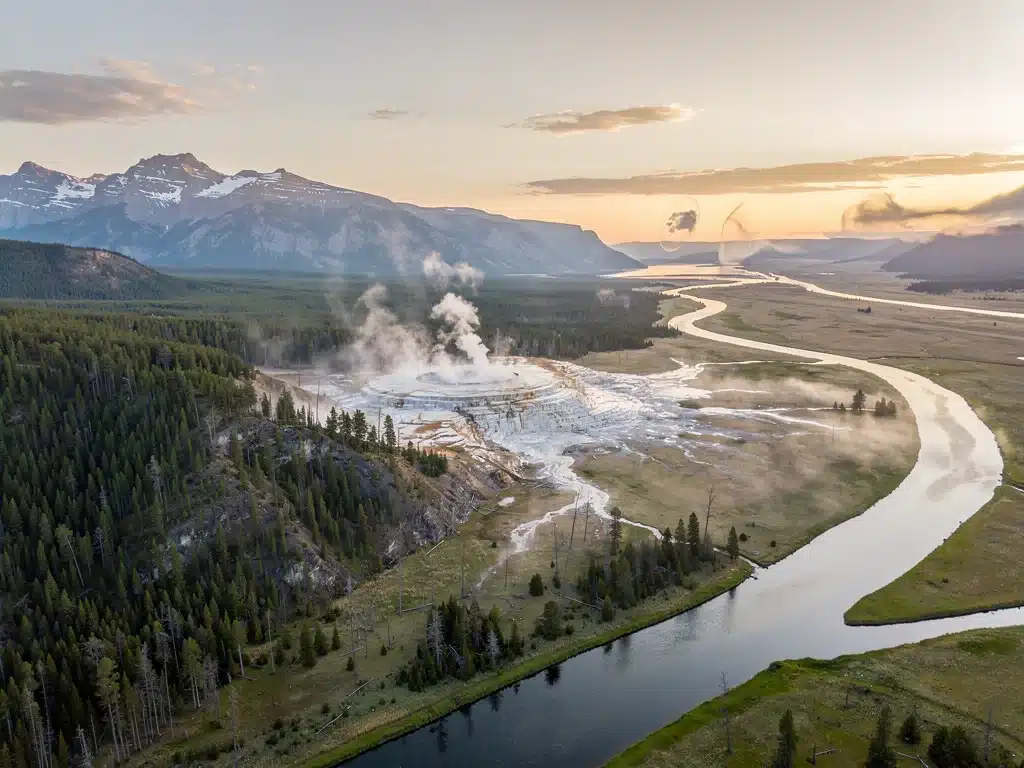
Yellowstone National Park, a beacon of geothermal activity and biodiversity, is experiencing unique ecological shifts centered around its iconic geysers and hot springs. While geothermal activity is naturally dynamic, recent observations suggest an accelerated rate of change, prompting scientific investigation.
Satellite imagery and ground-based sensors have detected subtle but significant alterations in the park’s hydrothermal systems. These shifts include changes in eruption frequency for some geysers and variations in the chemical composition of hot springs, impacting the microbial mats that thrive in these extreme environments.
Impact on Microbial Ecosystems
The vibrant microbial mats that give Yellowstone’s hot springs their stunning colors are highly sensitive to temperature and chemical fluctuations. Any sustained change in these conditions can alter their composition, which in turn affects the foundation of the park’s unique geothermal food web.
- Species Displacement: Some microbial species are being outcompeted by others more tolerant of new conditions.
- Color Changes: Shifts in microbial communities lead to visible alterations in the vivid colors of the hot springs.
- Geothermal Energy Release: Scientists are monitoring whether these changes are indicative of deeper, more significant shifts in the Earth’s crust.
These geothermal anomalies are not just a curiosity; they represent a fundamental shift in one of the planet’s most active volcanic regions. Understanding their long-term implications is crucial for managing Yellowstone’s delicate balance of geological processes and biological life. The park’s unique geology makes it a bellwether for understanding how deep Earth processes might interact with surface ecological changes.
Everglades: Salinity Intrusion and Habitat Loss
The Everglades National Park, a vast wetland ecosystem in Florida, faces an existential threat from rising sea levels and altered freshwater flows. These twin pressures are leading to increased salinity intrusion, fundamentally altering the park’s delicate balance of freshwater and brackish habitats.
As sea levels rise, saltwater pushes further inland, contaminating the freshwater aquifers and wetlands that are vital for the survival of many iconic Everglades species. This process is exacerbated by human modifications to the regional hydrology, which have historically diverted freshwater away from the park.
Threats to Iconic Species
The shift towards higher salinity levels directly impacts the flora and fauna adapted to freshwater conditions. Many plant species cannot tolerate increased salt, leading to widespread die-offs and habitat loss for animals that depend on them.
- Alligator Habitats: Freshwater alligator holes are becoming increasingly brackish, forcing alligators to relocate or face physiological stress.
- Wading Bird Foraging: Changes in fish populations due to salinity affect the foraging success of wading birds like the roseate spoonbill.
- Cypress Swamps: Saltwater intrusion kills cypress trees, converting once-thriving swamps into ghost forests.
The ecological shifts in the Everglades are a stark reminder of the vulnerability of coastal ecosystems to climate change. Restoring natural freshwater flows and implementing adaptive management strategies are critical to mitigating the impacts of salinity intrusion and preserving this unique wetland for future generations. The battle for the Everglades is a race against time, with every inch of rising sea level bringing new challenges.
Glacier National Park: Vanishing Glaciers and Water Scarcity
Glacier National Park, renowned for its majestic glaciers, is witnessing their rapid retreat, a clear indicator of a warming climate. This loss of glacial ice has profound implications for the park’s hydrology, biodiversity, and the very landscape that gives it its name.
Scientists predict that many of the park’s remaining glaciers could disappear within decades, fundamentally altering the seasonal water supply to rivers and streams. This reduction in meltwater leads to warmer stream temperatures and decreased water availability during critical summer months.
Cascading Ecological Effects
The vanishing glaciers trigger a cascade of ecological effects, impacting everything from aquatic insect life to large mammals. Cold-water fish species, such as native trout, are particularly vulnerable to warmer stream temperatures and reduced flows.
- Aquatic Insect Decline: Many insects rely on cold, oxygen-rich glacial meltwater for their life cycles.
- Fish Habitat Loss: Trout and other cold-water fish face shrinking habitats and increased competition.
- Vegetation Stress: Plants and trees adapted to consistent water availability experience drought stress.
The disappearance of glaciers is not just an aesthetic loss; it represents a significant alteration to the park’s fundamental ecological processes. Conservation efforts are focusing on managing water resources and protecting remaining cold-water habitats to help species adapt to a future without glaciers. The park’s name itself serves as a poignant reminder of what is being lost.
Acadia National Park: Coastal Erosion and Ocean Acidification
Acadia National Park in Maine, a jewel of the Atlantic coast, is grappling with significant challenges from increased coastal erosion and the silent threat of ocean acidification. These dual pressures are reshaping its rugged coastline and impacting its marine ecosystems.
More frequent and intense storms, coupled with rising sea levels, accelerate the erosion of Acadia’s iconic granite cliffs and sandy beaches. This loss of land directly threatens infrastructure, historical sites, and critical coastal habitats for nesting birds and marine life.
Threats to Marine Life
Ocean acidification, caused by the absorption of excess carbon dioxide by seawater, poses a severe threat to Acadia’s marine organisms, particularly those with calcium carbonate shells or skeletons. This includes shellfish, corals, and plankton, which form the base of the marine food web.
- Shellfish Vulnerability: Lobsters, clams, and mussels struggle to build and maintain their shells in more acidic waters.
- Coral Bleaching: Although less prevalent than in tropical regions, acidification can stress cold-water corals.
- Planktonic Impacts: Changes in plankton populations can have ripple effects throughout the entire marine ecosystem.
The ecological shifts in Acadia highlight the interconnectedness of terrestrial and marine environments. Protecting coastal integrity and addressing ocean acidification are paramount for preserving the park’s unique beauty and the rich biodiversity of its waters. The ongoing changes underscore the need for integrated land-sea conservation strategies.
Joshua Tree National Park: Desertification and Biodiversity Loss
Joshua Tree National Park, famous for its unique yucca trees and stark desert landscapes, is facing accelerated desertification and a concerning loss of biodiversity. Prolonged droughts, increased temperatures, and altered fire regimes are pushing this fragile ecosystem to its limits.
The iconic Joshua trees themselves are particularly vulnerable. They rely on specific conditions for reproduction and survival, and the changing climate is making it harder for new generations to establish themselves. This threatens the very symbol of the park.
Struggles of Desert Wildlife
Beyond the Joshua trees, the park’s diverse wildlife is also struggling. Desert tortoises, bighorn sheep, and numerous bird species depend on scarce water sources and specific plant communities that are now under stress. Habitat fragmentation and the spread of invasive species further compound these challenges.
- Water Scarcity: Limited water availability during extended droughts impacts all desert life.
- Altered Fire Regimes: Increased frequency of wildfires, fueled by invasive grasses, damages native plant communities.
- Habitat Encroachment: Urban development at the park’s edges reduces migratory corridors and increases human-wildlife conflict.
The ecological shifts in Joshua Tree underscore the extreme sensitivity of desert ecosystems to climate change. Conservation efforts focus on protecting existing water sources, managing invasive species, and supporting research into climate-resilient plant varieties. The future of this unique desert landscape hangs in a delicate balance, requiring urgent and sustained intervention.
| Key Park | Primary Ecological Shift |
|---|---|
| Yellowstone | Accelerated geothermal activity changes and microbial ecosystem impacts. |
| Everglades | Salinity intrusion, habitat loss, and freshwater ecosystem degradation. |
| Glacier National Park | Rapid glacier retreat leading to water scarcity and aquatic habitat changes. |
| Acadia National Park | Coastal erosion and ocean acidification impacting marine and coastal habitats. |
Frequently Asked Questions about US National Park Shifts
The primary cause is a complex interaction of global climate change, leading to increased temperatures and altered precipitation patterns, combined with localized human impacts such as habitat fragmentation and pollution. These factors collectively accelerate ecosystem transformations.
Wildlife is affected through habitat loss, changes in food availability, altered migratory patterns, and increased stress from extreme weather. Species adapted to specific conditions are struggling to cope, leading to population declines and shifts in species distribution.
Conservation efforts include habitat restoration, invasive species management, genetic diversity preservation, and adaptive management strategies. Scientists are also conducting extensive research to understand the impacts better and develop effective interventions for ecosystem resilience.
Absolutely. While changes are occurring, the parks remain invaluable natural spaces. Visitors are encouraged to learn about the challenges, support conservation efforts, and practice Leave No Trace principles to minimize their impact while experiencing the parks’ unique beauty.
The long-term outlook depends heavily on global efforts to mitigate climate change and local conservation strategies. While significant challenges persist, dedicated research and adaptive management offer hope for preserving much of the parks’ ecological integrity for future generations.
Conclusion
The 2026 enigma, characterized by unprecedented ecological shifts across ten US National Parks, serves as a powerful testament to the accelerating pace of environmental change. From the geothermal anomalies of Yellowstone to the encroaching saltwater in the Everglades and the vanishing glaciers of Glacier National Park, these iconic landscapes are undergoing fundamental transformations. The drivers are complex, rooted in global climate change and exacerbated by local human impacts, creating a formidable challenge for conservationists and park managers. Understanding these shifts is not merely an academic exercise; it is crucial for developing effective strategies to protect these invaluable natural heritage sites. The future of these parks, and the biodiversity they harbor, hinges on concerted efforts to mitigate climate change, implement adaptive management, and foster a deeper appreciation for the delicate balance of our planet’s ecosystems. The enigma of 2026 demands our attention, urging us to act now to safeguard these national treasures for generations to come.
