Predictive Analytics: Boost U.S. Retail Sales 12% with AI by 2026
Advertisements
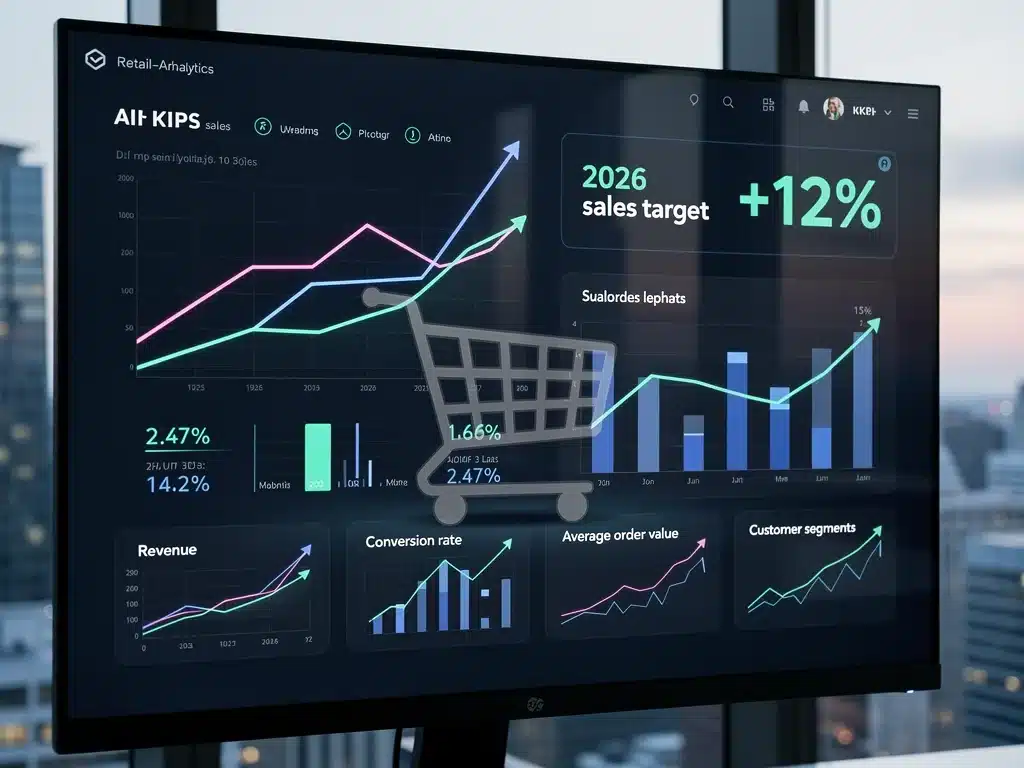
U.S. retailers can achieve a remarkable 12% sales increase by 2026 through the strategic adoption of predictive analytics powered by AI, optimizing operations, personalizing customer experiences, and enhancing decision-making processes.
The retail landscape is constantly evolving, and staying ahead means embracing groundbreaking technologies. For U.S. retailers, the path to significant growth lies in harnessing the power of predictive analytics retail, a transformative approach poised to boost sales by an impressive 12% using AI by 2026. This isn’t just about forecasting; it’s about fundamentally reshaping how businesses understand their customers, manage inventory, and drive revenue.
Advertisements
Understanding Predictive Analytics in Retail
Predictive analytics in retail involves using historical data, machine learning algorithms, and artificial intelligence to identify future trends and patterns. This goes beyond simple reporting, offering a forward-looking perspective that empowers retailers to make proactive, data-driven decisions. By analyzing vast datasets, AI can uncover subtle correlations and predict outcomes with remarkable accuracy, transforming guesswork into strategic foresight.
This sophisticated technology helps retailers anticipate customer behavior, optimize inventory levels, and personalize marketing efforts. It’s about moving from reactive strategies to proactive interventions that directly impact the bottom line. The ability to predict what customers will want, when they will want it, and how much they are willing to pay is a game-changer in a competitive market.
The Core Mechanics of AI-Driven Prediction
- Data Collection: Gathering extensive data from various sources, including sales transactions, website interactions, social media, loyalty programs, and external market trends.
- Machine Learning Models: Employing algorithms like regression, classification, and neural networks to process and learn from this data.
- Pattern Recognition: Identifying recurring patterns and anomalies that indicate future behaviors or market shifts.
- Outcome Forecasting: Generating predictions on sales volumes, customer churn, demand fluctuations, and more.
The strategic implementation of predictive analytics allows U.S. retailers to gain a significant competitive edge. It’s not merely about having data, but about extracting actionable intelligence that can be directly applied to operational and strategic planning, leading to measurable improvements in efficiency and profitability.
Forecasting Demand and Optimizing Inventory
One of the most immediate and impactful applications of predictive analytics for U.S. retailers is in demand forecasting and inventory optimization. Traditional forecasting methods often fall short in dynamic markets, leading to either overstocking (tying up capital and incurring storage costs) or understocking (missing sales opportunities and frustrating customers). AI-driven predictive models offer a more precise solution.
By analyzing historical sales data, promotional calendars, seasonal fluctuations, external economic indicators, and even weather patterns, AI can predict demand with unprecedented accuracy. This allows retailers to fine-tune their inventory levels, ensuring products are available when and where customers want them, minimizing waste, and maximizing sales potential. The efficiency gained here directly translates into cost savings and improved customer satisfaction.
Benefits of AI in Inventory Management
- Reduced Stockouts: Ensuring popular items are always in stock, preventing lost sales and customer dissatisfaction.
- Lower Holding Costs: Minimizing excess inventory, thereby reducing storage expenses and the risk of obsolescence.
- Improved Cash Flow: Freeing up capital that would otherwise be tied up in slow-moving stock.
- Enhanced Supply Chain Efficiency: Better coordination with suppliers based on accurate demand predictions.
The ability to predict demand precisely is a cornerstone of modern retail success. U.S. retailers leveraging these capabilities can significantly reduce operational inefficiencies and capture a larger share of the market, making every inventory decision a strategic advantage.
Personalizing the Customer Experience with AI
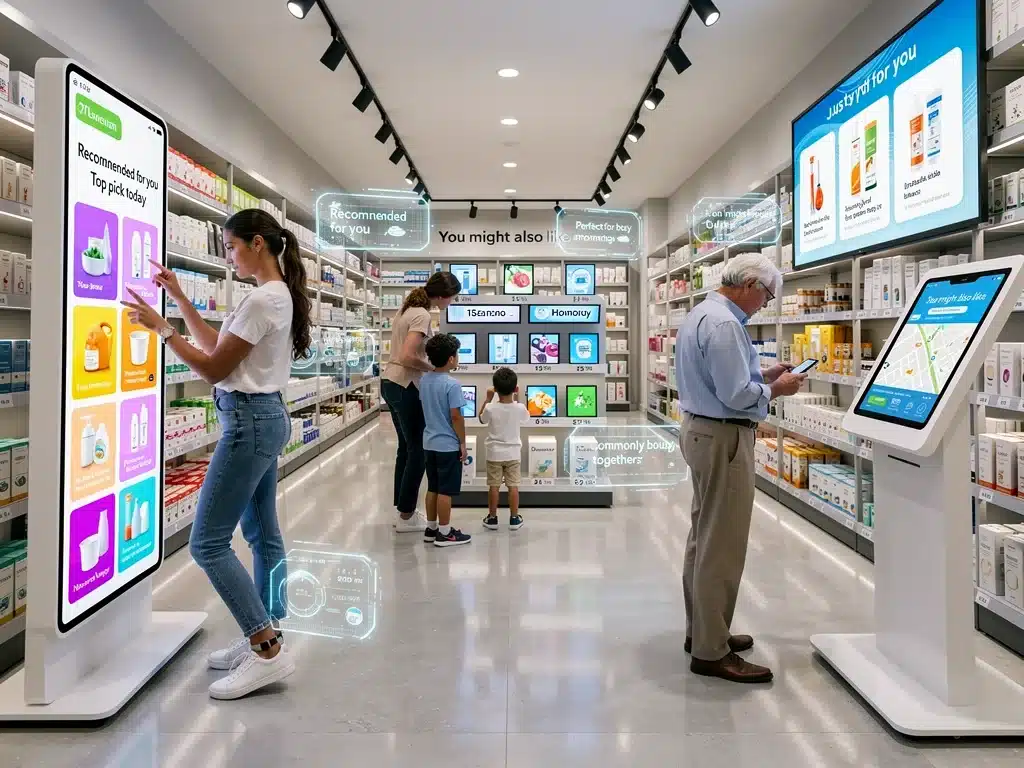
In today’s competitive retail environment, a generic approach to customer service simply won’t cut it. Customers expect personalized experiences, and predictive analytics is the key to delivering them at scale. By analyzing individual shopping histories, browsing behaviors, preferences, and demographic data, AI can create highly tailored recommendations and marketing messages that resonate deeply with each customer.
This personalization extends beyond product recommendations. It can inform dynamic pricing strategies, customized promotional offers, and even the layout of physical stores or e-commerce sites. When customers feel understood and valued, their loyalty increases, leading to repeat purchases and higher lifetime value. This deep understanding of individual consumer journeys is a powerful driver for the projected 12% sales boost.
Strategies for AI-Driven Personalization
Implementing effective personalization requires a multi-faceted approach, integrating AI across various customer touchpoints. From initial discovery to post-purchase engagement, every interaction can be optimized.
- Personalized Product Recommendations: Suggesting items based on past purchases, browsing history, and similar customer profiles, both online and in-store.
- Targeted Marketing Campaigns: Delivering tailored emails, ads, and promotions that speak directly to individual customer interests and needs.
- Dynamic Pricing: Adjusting prices in real-time based on demand, competitive landscape, and individual customer price sensitivity.
- Customized Content Delivery: Presenting unique website or app content that aligns with user preferences and past interactions.
The essence of effective personalization through predictive analytics is creating a seamless, relevant, and engaging shopping journey for every customer. This fosters stronger relationships and encourages higher spending, directly contributing to the ambitious sales growth target.
Enhancing Marketing and Sales Strategies
Predictive analytics revolutionizes how U.S. retailers approach marketing and sales, shifting from broad-brush campaigns to highly precise, data-driven initiatives. AI can identify which customers are most likely to respond to a particular offer, predict their preferred communication channels, and even determine the optimal timing for outreach. This precision minimizes wasted marketing spend and maximizes conversion rates, directly impacting sales growth.
Beyond customer targeting, predictive models can also identify cross-selling and up-selling opportunities, suggesting complementary products or premium alternatives based on purchasing patterns. This proactive approach to sales isn’t just about selling more; it’s about selling smarter, creating value for both the customer and the retailer. The ability to anticipate customer needs before they even articulate them is a significant competitive advantage.
AI’s Role in Optimizing Campaigns
AI’s analytical prowess allows for continuous optimization of marketing and sales efforts, ensuring that strategies remain effective and responsive to market changes. This iterative process of learning and adapting is crucial for sustained growth.
- Customer Segmentation: Identifying distinct customer groups based on behavior, demographics, and purchasing patterns for highly targeted messaging.
- Churn Prediction: Flagging customers at risk of leaving, allowing for proactive retention strategies.
- Optimal Channel Selection: Determining the most effective channels (email, social media, in-app notifications) for reaching specific customer segments.
- Campaign Performance Prediction: Forecasting the likely success of marketing campaigns before launch, enabling adjustments.
By integrating predictive analytics into their marketing and sales frameworks, U.S. retailers can achieve unprecedented levels of efficiency and effectiveness, driving the projected sales increase through more intelligent customer engagement.
Mitigating Risks and Preventing Fraud
Beyond boosting sales, predictive analytics plays a crucial role in protecting a retailer’s bottom line by identifying and mitigating various risks, including fraud, returns, and supply chain disruptions. AI algorithms can detect anomalous patterns in transactions, returns data, and customer behavior that signal potential fraudulent activity, allowing retailers to intervene before significant losses occur.
Furthermore, by predicting product return rates and reasons, retailers can adjust product descriptions, improve quality control, or refine customer expectations, thereby reducing costly returns. In the supply chain, predictive models can anticipate potential disruptions, such as weather events or geopolitical issues, enabling proactive measures to ensure continuity and minimize impact on sales. This risk management aspect is vital for maintaining profitability alongside growth.
Protecting Retail Operations with AI
AI’s ability to process vast amounts of data quickly and identify subtle deviations makes it an invaluable tool for safeguarding retail operations against various threats. This proactive defense mechanism is as crucial as sales generation.
- Fraud Detection: Identifying suspicious transactions, account activities, and return patterns that indicate fraud.
- Return Prediction: Forecasting which products are likely to be returned and for what reasons, informing preventative actions.
- Supply Chain Risk Assessment: Predicting potential disruptions in the supply chain and recommending alternative routes or suppliers.
- Cybersecurity Threat Identification: Analyzing network traffic and user behavior to detect and prevent cyberattacks.
By proactively addressing these risks, U.S. retailers can secure their operations, protect their assets, and ensure that the sales gains achieved through other AI applications are not eroded by preventable losses.
Implementing Predictive Analytics: Challenges and Best Practices
While the benefits of predictive analytics are clear, successful implementation in U.S. retail is not without its challenges. Data quality, integration with existing systems, and the need for skilled talent are significant hurdles. Retailers must invest in clean, comprehensive data infrastructure, ensuring that data is consistently collected, stored, and accessible for analysis. Moreover, integrating new AI platforms with legacy systems requires careful planning and execution.
Overcoming these challenges involves a strategic, phased approach. Starting with pilot projects, focusing on specific business problems, and gradually scaling up can help mitigate risks. Investing in data scientists and AI specialists, or partnering with external experts, is also crucial for developing and maintaining robust predictive models. The cultural shift towards data-driven decision-making throughout the organization is equally important.

Key Best Practices for Adoption
- Start Small: Begin with well-defined, manageable projects to demonstrate value and build internal confidence.
- Ensure Data Quality: Prioritize cleaning and organizing data; garbage in, garbage out applies strongly to AI.
- Foster Collaboration: Encourage data scientists, business analysts, and operational teams to work closely.
- Continuous Learning: AI models require constant monitoring, retraining, and refinement to remain effective as market conditions change.
By addressing these implementation challenges head-on and adopting best practices, U.S. retailers can successfully integrate predictive analytics into their operations, paving the way for the projected 12% sales increase and sustained competitive advantage by 2026.
| Key Aspect | Impact on U.S. Retail Sales by 2026 |
|---|---|
| Demand Forecasting | Optimizes inventory, reduces stockouts, and maximizes sales opportunities. |
| Customer Personalization | Enhances engagement, drives loyalty, and increases average transaction value. |
| Marketing Optimization | Improves campaign ROI, targets customers effectively, and boosts conversion rates. |
| Risk Mitigation | Prevents fraud, reduces returns, and ensures operational continuity, protecting revenue. |
Frequently Asked Questions About Predictive Analytics in Retail
Predictive analytics in U.S. retail involves using AI and machine learning to analyze historical data and forecast future trends. This helps retailers anticipate customer behavior, optimize inventory, personalize marketing, and enhance operational efficiency, leading to higher sales and profitability.
AI contributes to sales growth by enabling more accurate demand forecasting, hyper-personalized customer experiences, optimized marketing campaigns, and efficient inventory management. These factors collectively drive increased customer satisfaction, reduced costs, and ultimately, higher revenue streams for retailers.
Key challenges include ensuring high-quality data, integrating new AI systems with existing infrastructure, and acquiring or developing the necessary skilled talent. Overcoming these requires strategic planning, pilot programs, and a commitment to continuous data management and model refinement.
Absolutely. By analyzing individual customer data, predictive analytics can deliver highly tailored product recommendations, customized promotions, and dynamic pricing. This level of personalization makes customers feel understood and valued, fostering loyalty and encouraging repeat purchases, significantly boosting sales.
In addition to sales growth, predictive analytics helps mitigate risks such as fraud and high return rates. It also optimizes supply chain logistics, reduces operational costs by preventing overstocking, and enhances overall business intelligence, leading to more resilient and efficient retail operations.
Conclusion
The journey for U.S. retailers to achieve a 12% sales boost by 2026 through predictive analytics and AI is not merely aspirational; it is an attainable reality. By strategically implementing AI-driven solutions for demand forecasting, inventory optimization, customer personalization, and enhanced marketing, businesses can unlock unprecedented levels of efficiency and customer engagement. While challenges exist, the proactive adoption of these technologies, coupled with robust data management and a commitment to innovation, will define the leaders of tomorrow’s retail landscape. The future of retail is intelligent, data-driven, and intrinsically linked to the power of predictive analytics.
