Digital Twins: Optimizing US Infrastructure Projects with 3 Key Benefits
Advertisements
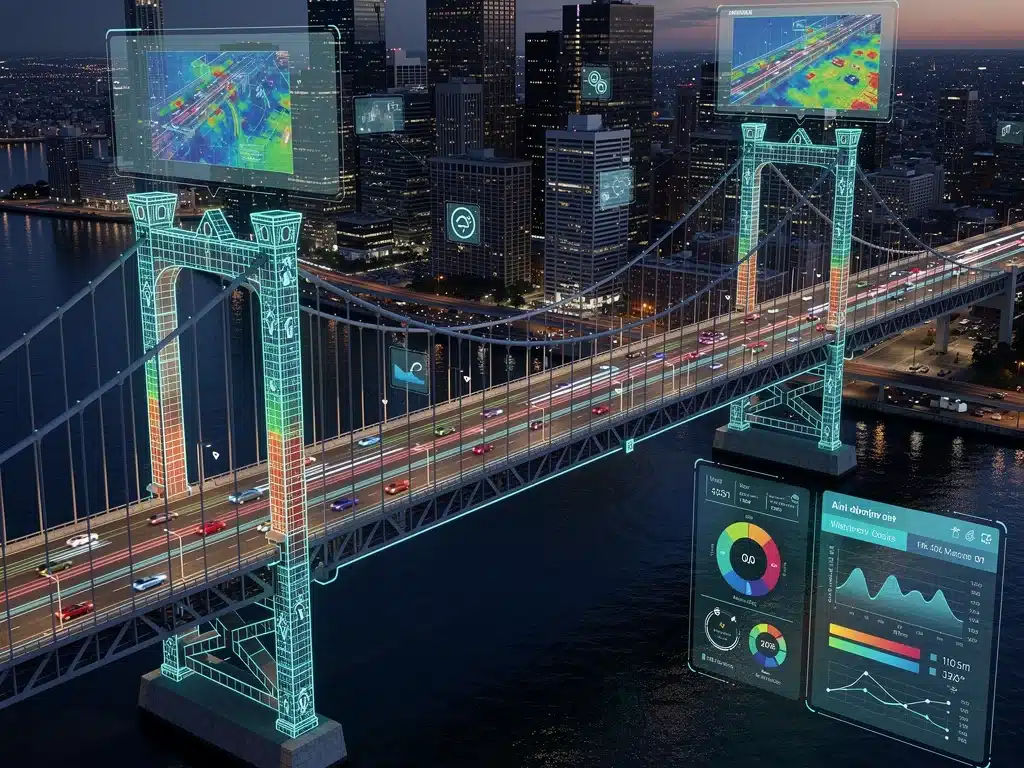
Digital twins are poised to revolutionize U.S. infrastructure projects by 2026, offering unprecedented simulation capabilities that enhance planning, optimize construction, and streamline maintenance for greater efficiency and resilience.
Advertisements
The landscape of U.S. infrastructure development is on the cusp of a profound transformation, driven by innovative technologies. Among these, the concept of a digital twin infrastructure stands out as a game-changer, promising to redefine how we plan, construct, and manage our nation’s vital assets. By creating a virtual replica of physical infrastructure, digital twins offer an unparalleled opportunity to simulate, analyze, and predict performance, leading to more resilient and efficient systems across the United States.
The Rise of Digital Twins in Infrastructure Development
The integration of digital twins into U.S. infrastructure projects represents a paradigm shift, moving beyond traditional design and construction methods to embrace a data-driven, predictive approach. These sophisticated virtual models, continuously updated with real-time data from their physical counterparts, provide an invaluable tool for stakeholders to visualize, understand, and interact with complex systems before a single shovel breaks ground. This technological leap allows for proactive decision-making, significantly reducing risks and enhancing project outcomes.
The adoption of digital twin technology is not merely an incremental improvement; it’s a foundational change that impacts every stage of an infrastructure project’s lifecycle. From initial feasibility studies to long-term operational maintenance, digital twins offer a comprehensive overview, enabling a level of insight previously unattainable. This holistic perspective is crucial for tackling the multifaceted challenges inherent in large-scale infrastructure, such as aging systems, increasing population demands, and the imperative for sustainable development.
Understanding the Digital Twin Concept
- Virtual Representation: A digital twin is a dynamic virtual model of a physical object, system, or process.
- Real-Time Data Integration: It continuously receives data from sensors on its physical twin, ensuring accuracy and relevance.
- Simulation and Analysis: Enables comprehensive simulations to test scenarios, predict behavior, and optimize performance.
- Lifecycle Management: Supports the entire lifecycle, from design and construction to operation and eventual decommissioning.
In essence, digital twins act as a living blueprint, evolving alongside the physical asset they represent. This constant feedback loop means that as conditions change in the real world, the digital model reflects these changes, allowing for immediate analysis and informed responses. This capability is particularly vital for critical infrastructure, where even minor disruptions can have significant economic and societal impacts. The proactive nature of digital twins ensures that potential issues are identified and addressed long before they escalate into costly problems.
The strategic deployment of digital twins across various sectors of U.S. infrastructure, including transportation, energy, and urban development, is expected to accelerate significantly by 2026. This widespread adoption is fueled by the clear benefits they offer in terms of efficiency, cost savings, and enhanced safety. As the technology matures and becomes more accessible, its influence will permeate every aspect of how America builds and sustains its future. This foundational understanding sets the stage for exploring the specific benefits these simulations bring.
Benefit 1: Enhanced Planning and Design Precision
One of the most immediate and impactful benefits of digital twins in U.S. infrastructure projects is the unparalleled precision they bring to planning and design. Historically, infrastructure projects have relied on static models and estimations, often leading to unforeseen challenges during construction or operation. Digital twins, however, offer a dynamic and interactive environment where designers and planners can meticulously test every aspect of a project in a virtual space before any physical work begins.
This enhanced precision translates into significant advantages. Engineers can simulate various design options, analyze their performance under different conditions, and identify potential flaws or inefficiencies long before they become costly real-world problems. For example, a digital twin of a new highway interchange can simulate traffic flow patterns, predict congestion points, and optimize lane configurations, ensuring a more efficient and safer design from the outset. This iterative process of virtual testing and refinement minimizes the need for costly redesigns and rework during the physical construction phase.
Optimizing Design Through Virtual Prototyping
Virtual prototyping, powered by digital twins, allows for a comprehensive exploration of design alternatives. This isn’t just about aesthetics; it’s about functionality, sustainability, and resilience. Designers can experiment with different materials, structural configurations, and environmental integration strategies, all within the digital realm. This capability empowers them to make data-driven decisions that lead to superior project outcomes.
- Scenario Testing: Evaluate project performance under various environmental, operational, and stress conditions.
- Risk Mitigation: Identify and address potential design flaws and construction challenges early.
- Material Optimization: Experiment with different materials and their properties to enhance durability and cost-effectiveness.
- Stakeholder Collaboration: Facilitate better communication and understanding among all project participants through visual models.
The ability to conduct extensive scenario testing is particularly valuable. Imagine simulating the impact of extreme weather events on a bridge or the long-term wear and tear on a water pipeline. Digital twins make this possible, providing critical insights that inform design choices to build more resilient infrastructure. This proactive approach significantly reduces future maintenance costs and extends the lifespan of assets, a critical consideration for the extensive network of U.S. infrastructure.
Ultimately, the precision offered by digital twins in the planning and design phases leads to more robust, efficient, and sustainable infrastructure. By eliminating guesswork and replacing it with data-backed insights, project teams can deliver superior results that meet the evolving needs of communities across the nation. This foundational benefit underpins the entire lifecycle advantages that digital twins bring to the table.
Benefit 2: Streamlined Construction and Project Management
Beyond the planning stages, digital twins offer transformative benefits for the actual construction and ongoing project management of U.S. infrastructure. The complexities of large-scale construction projects often lead to delays, budget overruns, and communication breakdowns. Digital twins act as a central, real-time hub for all project-related information, fostering better coordination, transparency, and efficiency throughout the construction lifecycle.
During construction, the digital twin can be continuously updated with data from on-site sensors, drones, and other monitoring equipment. This provides project managers with an accurate, up-to-the-minute view of progress, resource allocation, and potential issues. For instance, a digital twin of a highway expansion project can track the movement of heavy machinery, monitor material deliveries, and even assess the structural integrity of newly laid sections, ensuring that everything stays on schedule and within specifications.
Real-Time Monitoring and Progress Tracking
The ability to monitor construction in real-time is a game-changer. Project managers can identify bottlenecks, anticipate potential delays, and reallocate resources proactively. This dynamic oversight significantly reduces the likelihood of costly surprises and helps keep projects on track. Furthermore, the visual nature of digital twins makes it easier for all stakeholders to understand project status, even those without a technical background.
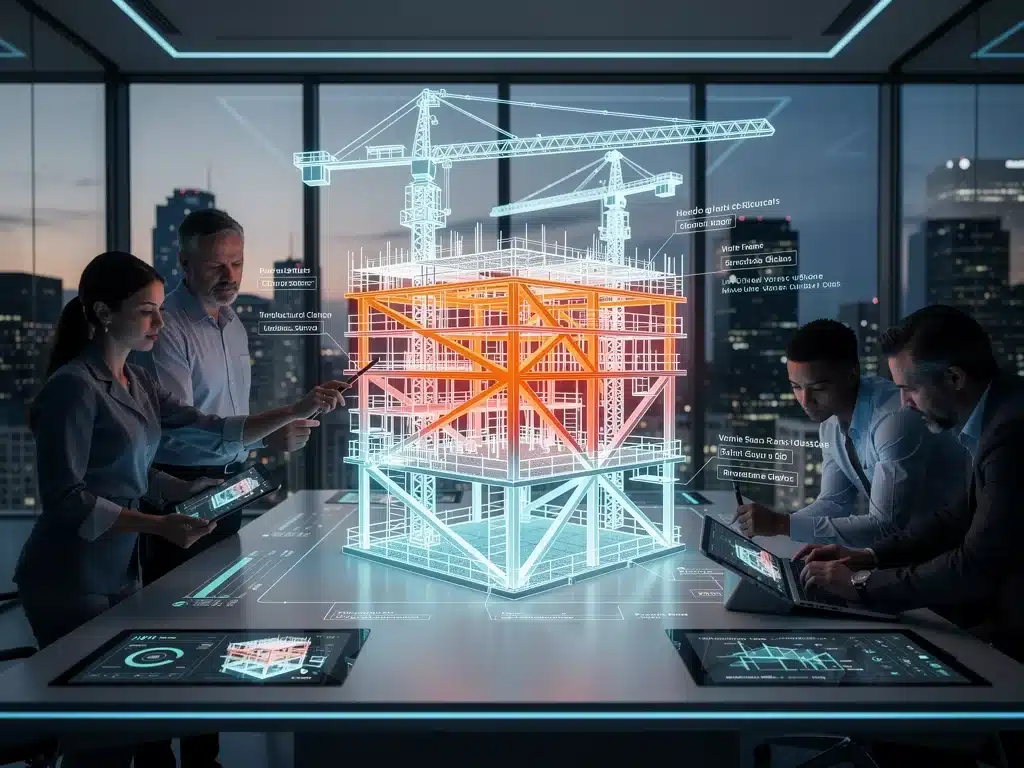
- Progress Visualization: See real-time construction progress against the planned schedule.
- Resource Optimization: Track equipment and personnel, ensuring efficient deployment.
- Quality Control: Monitor construction quality and detect deviations from design specifications early.
- Supply Chain Management: Integrate with logistics to optimize material delivery and inventory.
Effective communication is often a stumbling block in large projects. Digital twins provide a common platform where all teams, from engineers and architects to contractors and subcontractors, can access the same, most current information. This eliminates misunderstandings, reduces errors, and fosters a more collaborative environment. Changes made to the design or construction plan are immediately reflected in the digital twin, ensuring that everyone is working with the latest data.
Moreover, digital twins can be used for predictive maintenance during construction, identifying potential issues with temporary structures or equipment before they lead to failures. This proactive approach not only enhances safety but also prevents costly downtime. By streamlining these complex processes, digital twins significantly contribute to the successful and timely completion of U.S. infrastructure projects, ensuring they are delivered within budget and to the highest standards.
Benefit 3: Optimized Operations and Predictive Maintenance
Perhaps one of the most enduring benefits of digital twins in U.S. infrastructure extends well beyond construction into the long-term operational phase and maintenance. Once an infrastructure asset is complete, its digital twin continues to evolve, becoming an invaluable tool for optimizing performance, predicting failures, and extending its operational lifespan. This continuous feedback loop ensures that infrastructure remains efficient, safe, and cost-effective throughout its entire service life.
For example, a digital twin of a major urban water network can monitor water pressure, flow rates, and pipe integrity in real-time. By analyzing this data, operators can identify leaks, predict pipe bursts, and optimize distribution to reduce waste and improve service delivery. This moves maintenance from a reactive, break-fix model to a proactive, predictive one, significantly reducing operational costs and minimizing service disruptions for the public.
Leveraging Data for Proactive Asset Management
The integration of IoT sensors with digital twins creates a powerful system for continuous monitoring and data collection. This constant stream of information allows for sophisticated analytics, enabling operators to understand the behavior of their assets in unprecedented detail. This leads to better resource allocation for maintenance, targeted repairs, and ultimately, a more resilient infrastructure.
- Performance Monitoring: Continuously track the operational performance of assets against benchmarks.
- Failure Prediction: Utilize AI and machine learning to predict potential equipment failures or structural issues.
- Maintenance Scheduling: Optimize maintenance schedules based on actual asset condition rather than fixed intervals.
- Energy Efficiency: Identify opportunities to reduce energy consumption in buildings and transportation systems.
Predictive maintenance, driven by digital twins, represents a significant cost-saving opportunity. Instead of undertaking routine maintenance at fixed intervals, which can be inefficient, resources are directed only where and when they are truly needed. This minimizes unnecessary work, reduces material waste, and extends the life of components, leading to substantial savings over the operational life of an asset. For a nation with vast and aging infrastructure, this capability is paramount.
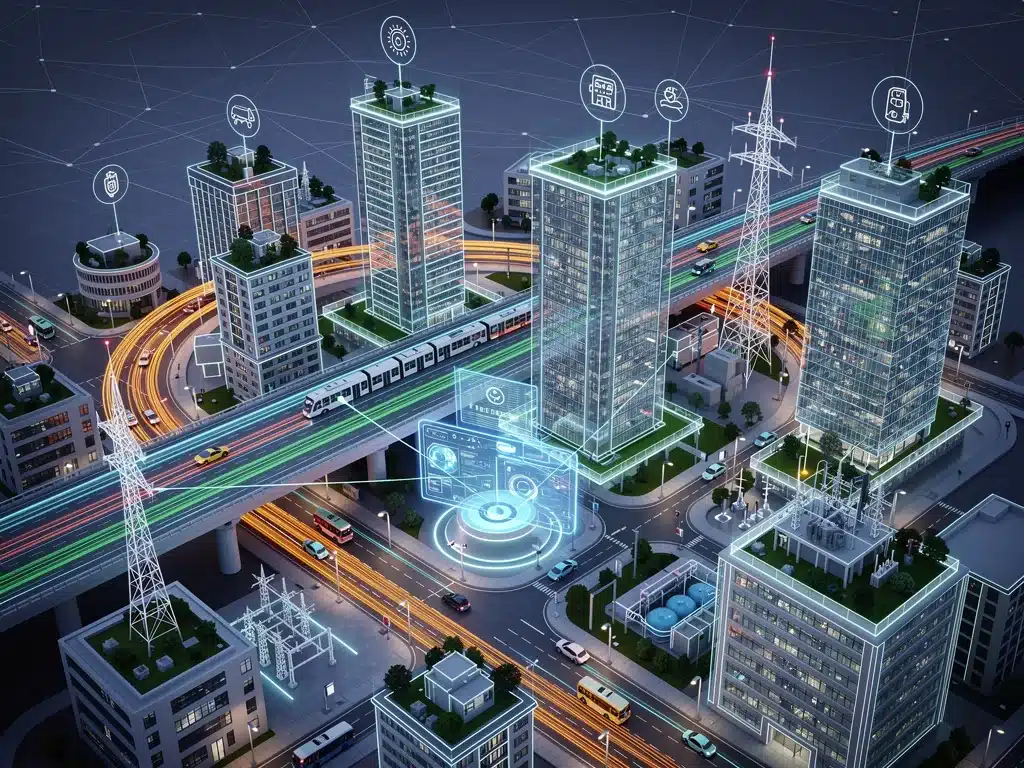
Furthermore, digital twins facilitate better emergency response. In the event of a natural disaster or system failure, the digital twin can provide real-time information on the extent of damage, helping emergency services to prioritize their efforts and restore critical services more quickly. This enhanced resilience is a cornerstone of future-proofing U.S. infrastructure against a range of challenges, ensuring continuity and public safety. The ability to simulate various disaster scenarios within the digital twin also allows for better preparedness and response planning, further solidifying its value in operational optimization.
Challenges and the Path Forward for Digital Twins
While the benefits of digital twins for U.S. infrastructure are clear and compelling, their widespread adoption is not without challenges. These hurdles, though significant, are actively being addressed through ongoing technological advancements, collaborative efforts, and evolving industry standards. Understanding these obstacles is crucial for charting a successful path forward.
One primary challenge lies in the initial investment required for implementing digital twin technology. This includes the cost of sensors, data integration platforms, sophisticated modeling software, and the training of personnel. Smaller municipalities or projects with limited budgets may find these upfront costs prohibitive. However, the long-term savings in operational efficiency and reduced maintenance often far outweigh these initial expenditures, making a strong case for investment.
Overcoming Implementation Hurdles
Addressing these challenges requires a multi-faceted approach, involving both technological innovation and policy support. Standardization, for example, is key to ensuring interoperability between different digital twin platforms and data sources. Without common protocols, integrating various infrastructure components into a cohesive digital twin ecosystem becomes overly complex and expensive.
- Data Security Concerns: Protecting sensitive infrastructure data from cyber threats is paramount.
- Interoperability Issues: Ensuring different systems and platforms can communicate seamlessly.
- Skilled Workforce Shortage: The need for engineers and technicians trained in digital twin technologies.
- Standardization: Developing common frameworks and protocols for digital twin creation and management.
Another critical area is data security. As digital twins become repositories of vast amounts of real-time operational data, protecting this information from cyber-attacks and unauthorized access becomes paramount. Robust cybersecurity measures are essential to maintain the integrity and reliability of these systems, especially for critical national infrastructure. Investing in secure platforms and developing stringent data governance policies are crucial steps.
Furthermore, there is a growing need for a skilled workforce capable of developing, deploying, and managing digital twins. Universities and vocational schools will play a vital role in training the next generation of engineers, data scientists, and project managers with the necessary expertise. Government initiatives and industry partnerships can also help bridge this skills gap, accelerating the adoption curve. By proactively tackling these challenges, the U.S. can fully unlock the transformative potential of digital twins in its infrastructure ambitions.
The Future Impact on U.S. Infrastructure by 2026
Looking ahead to 2026, the impact of digital twins on U.S. infrastructure is projected to be profound and far-reaching, fundamentally altering how the nation approaches its built environment. This accelerated adoption will not only address current challenges but also lay the groundwork for a more sustainable, resilient, and intelligent infrastructure network capable of meeting future demands.
By 2026, we anticipate a significant increase in the number of high-value infrastructure projects, particularly in urban development, transportation, and energy sectors, leveraging digital twin technology from conception to completion. This will lead to a noticeable improvement in project delivery times, reduced construction costs, and enhanced asset performance throughout their operational lifespan. The benefits will extend beyond efficiency, fostering a new era of innovation in infrastructure design and management.
Key Transformations Expected
The pervasive use of digital twins will enable the creation of truly ‘smart’ infrastructure, where assets can communicate, self-diagnose, and even self-optimize. This level of autonomy and intelligence will usher in an era of unprecedented operational efficiency and responsiveness, making cities and regions more adaptable to changing conditions and demands.
- Predictive Resilience: Infrastructure designed and managed to anticipate and withstand future challenges, from climate change to increased usage.
- Enhanced Public Safety: Real-time monitoring and predictive capabilities will significantly reduce risks and improve safety for users.
- Sustainable Development: Optimized resource use and reduced waste throughout the lifecycle of projects.
- Economic Growth: More efficient infrastructure will support economic productivity and attract investment.
The shift towards data-driven decision-making, facilitated by digital twins, will empower policymakers and urban planners with better tools to make informed choices about infrastructure investments. This will ensure that resources are allocated effectively, addressing critical needs and maximizing public benefit. The ability to simulate the long-term economic and social impacts of different infrastructure projects will become a standard practice, leading to more strategic and impactful development.
Overall, by 2026, digital twins will have moved from a niche technology to an indispensable tool in the U.S. infrastructure toolkit. Their ability to deliver enhanced planning precision, streamlined construction, and optimized operations will be central to building a robust, efficient, and future-ready national infrastructure. This transformation will not only improve the physical assets themselves but also foster a more innovative and collaborative ecosystem for infrastructure development across the country.
Integrating AI and Machine Learning with Digital Twins
The true power of digital twins in optimizing U.S. infrastructure projects is amplified exponentially when integrated with artificial intelligence (AI) and machine learning (ML). These advanced computational capabilities transform raw data from digital twins into actionable intelligence, enabling predictive analytics, autonomous decision-making, and continuous optimization that would be impossible with traditional methods alone.
By 2026, the symbiotic relationship between AI, ML, and digital twins will be a cornerstone of advanced infrastructure management. AI algorithms can process vast amounts of sensor data from physical assets, identifying subtle patterns and anomalies that human operators might miss. This allows for highly accurate predictions of equipment failure, structural degradation, or performance bottlenecks, enabling truly proactive maintenance and operational adjustments.
AI-Powered Predictive Analytics
AI’s ability to learn from historical data and real-time inputs allows digital twins to become self-optimizing systems. For example, in a smart traffic network, AI can analyze traffic patterns simulated by a digital twin and suggest optimal signal timings or route diversions in real time to alleviate congestion. This level of dynamic control and optimization ensures that infrastructure assets are always performing at their peak efficiency.
- Automated Anomaly Detection: AI identifies unusual patterns in data, signaling potential issues before they escalate.
- Optimized Resource Allocation: ML algorithms suggest the most efficient ways to deploy maintenance crews or energy resources.
- Adaptive Systems: Infrastructure components can learn and adapt their behavior based on real-time conditions and predictions.
- Enhanced Security: AI can analyze digital twin data to detect and predict potential security vulnerabilities or threats.
Machine learning models, trained on years of operational data from infrastructure assets, can predict the remaining useful life of components with remarkable accuracy. This insight is invaluable for long-term capital planning and budgeting, allowing infrastructure owners to schedule replacements and upgrades precisely when needed, avoiding both premature expenditures and catastrophic failures. This intelligent forecasting makes infrastructure investments more strategic and cost-effective.
Moreover, the integration of AI and ML enables digital twins to support autonomous operations in certain contexts. Imagine a smart utility grid where digital twins, powered by AI, can automatically reroute power during an outage or adjust energy distribution based on real-time demand fluctuations. This level of automation not only improves efficiency and reliability but also enhances the resilience of critical U.S. infrastructure against various disruptions. This powerful combination ensures that digital twins are not just static models, but intelligent, evolving systems.
Ethical Considerations and Governance in Digital Twin Deployment
As digital twin infrastructure becomes more pervasive in U.S. development, it’s imperative to address the ethical considerations and establish robust governance frameworks. The immense power of these technologies to collect, process, and analyze vast amounts of data, coupled with their potential to influence critical decisions, necessitates careful thought about privacy, bias, accountability, and accessibility. By proactively addressing these concerns, we can ensure that digital twins serve the public good responsibly.
One significant ethical challenge revolves around data privacy. Digital twins often rely on real-time data from sensors, which could potentially include information about individuals or sensitive operational details. Establishing clear policies for data collection, storage, and usage, as well as robust anonymization techniques, is crucial to protect privacy rights. Transparency in how data is used and who has access to it will be key to building public trust.
Ensuring Responsible Innovation
The potential for algorithmic bias is another critical consideration. If the data used to train AI models for digital twins is biased, the system’s predictions and recommendations could perpetuate or even amplify existing societal inequalities. For instance, an AI-powered traffic optimization system trained on skewed data might inadvertently disadvantage certain communities. Rigorous testing, diverse data sets, and ethical AI development principles are essential to mitigate such risks.
- Data Privacy Protection: Implementing strict protocols for collecting, storing, and using sensitive data.
- Algorithmic Fairness: Ensuring AI models do not perpetuate or create biases in infrastructure planning and operation.
- Accountability Frameworks: Defining responsibility for decisions made or influenced by digital twin systems.
- Public Engagement: Involving communities in the planning and deployment of digital twin-enabled infrastructure.
Accountability is also a paramount concern. When a digital twin-informed decision leads to an unforeseen negative outcome, who is responsible? Is it the data provider, the model developer, the operator, or the policymaker who acted on the recommendation? Clear legal and ethical frameworks are needed to define accountability, especially as digital twins become more autonomous in their operational capabilities. This will require collaboration between legal experts, technologists, and government bodies.
Finally, accessibility and equitable distribution of benefits must be considered. Digital twin technology should not exacerbate the digital divide or create infrastructure solutions that primarily benefit certain segments of society. Ensuring that all communities, regardless of socio-economic status, can benefit from more efficient and resilient infrastructure is a moral imperative. Public engagement and inclusive design processes will be vital to ensure that digital twins contribute to a more equitable future for all U.S. citizens. These governance considerations are as important as the technological advancements themselves.
| Key Benefit | Description |
|---|---|
| Enhanced Planning | Virtual prototyping and scenario testing lead to more precise designs, reducing errors and optimizing outcomes from the start. |
| Streamlined Construction | Real-time monitoring, resource optimization, and improved collaboration keep projects on schedule and within budget. |
| Optimized Operations | Predictive maintenance and performance monitoring extend asset lifespan and reduce operational costs. |
| AI Integration | AI and ML supercharge digital twins with predictive analytics and autonomous optimization, enhancing efficiency. |
Frequently Asked Questions About Digital Twins in Infrastructure
A digital twin is a virtual replica of a physical infrastructure asset, such as a bridge or a power grid, continuously updated with real-time data. It enables simulation, analysis, and prediction of the asset’s performance throughout its entire lifecycle, from design to operation, ensuring optimal efficiency and resilience.
Digital twins allow for virtual prototyping and extensive scenario testing during the planning phase. Engineers can simulate various designs, analyze their performance under different conditions, and identify potential flaws or inefficiencies early, leading to more precise and robust infrastructure designs.
During construction, digital twins provide real-time monitoring of progress, resource allocation, and quality control. They act as a central hub for project information, improving communication, reducing delays, and helping to keep complex projects on schedule and within budget through dynamic oversight.
Absolutely. Digital twins enable predictive maintenance by analyzing real-time data from sensors to anticipate equipment failures or structural issues. This shifts maintenance from reactive to proactive, reducing operational costs, minimizing downtime, and extending the lifespan of critical infrastructure assets.
Key challenges include high initial investment costs, ensuring data security and interoperability between systems, and addressing the shortage of skilled professionals. Overcoming these requires strategic planning, standardization efforts, and robust cybersecurity measures to maximize the benefits.
Conclusion
By 2026, digital twins infrastructure will undoubtedly be at the forefront of modernizing and optimizing U.S. infrastructure projects. The transformative potential of these virtual replicas, offering unparalleled precision in planning, streamlining in construction, and efficiency in operations, is undeniable. While challenges such as initial investment and data security remain, the long-term benefits in terms of cost savings, enhanced resilience, and improved public safety firmly establish digital twins as an indispensable tool for building a smarter, more sustainable future for the nation’s vital assets. This technology is not just about virtual models; it’s about making our physical world more robust and responsive.
