Neurotechnology 2026: Ethics, Growth & U.S. Market Projections
Advertisements
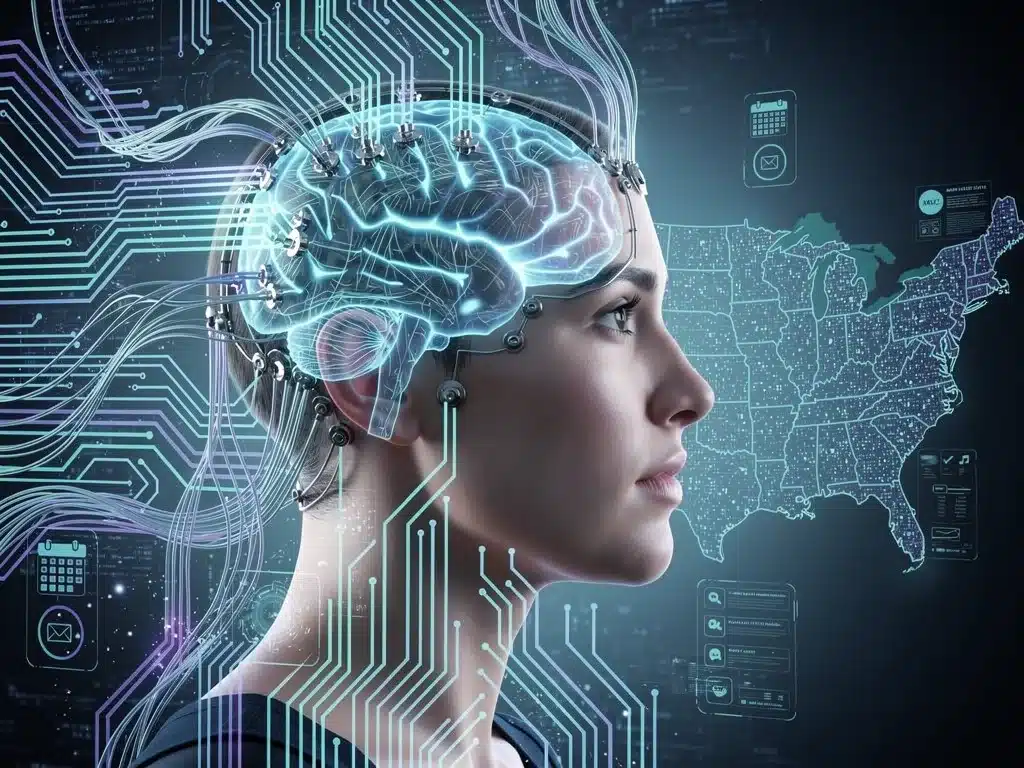
By 2026, neurotechnology in the U.S. is poised for significant market expansion, driven by advancements in brain-computer interfaces and neuromodulation, while simultaneously necessitating robust ethical frameworks to guide its responsible development and integration into society.
Advertisements
The landscape of human interaction with technology is undergoing a profound transformation, with the brain at its very core. Decoding Neurotechnology: 2026 Ethical Considerations and Market Growth Projections for the U.S. stands as a critical exploration into this rapidly evolving field. How will these advancements shape our lives, and what responsibilities must we uphold as we venture deeper into the complexities of the human mind?
The Ascent of Neurotechnology: A 2026 Overview
Neurotechnology, a field at the convergence of neuroscience, engineering, and artificial intelligence, is rapidly redefining our understanding and manipulation of the brain. By 2026, its presence in the United States is expected to be more pervasive, moving beyond clinical settings into consumer applications. This expansion is fueled by breakthroughs in brain-computer interfaces (BCIs), neuromodulation devices, and advanced neural imaging techniques, promising unprecedented opportunities for enhancing human capabilities and treating neurological disorders.
The U.S. market, characterized by its robust research infrastructure and significant investment in biotechnology, is a primary driver of this growth. Early applications have focused on medical solutions, such as restoring motor functions for paralysis patients or managing chronic pain. However, the horizon for 2026 includes a broader scope, encompassing cognitive enhancement, immersive entertainment, and even novel communication methods. These developments, while exciting, bring with them a complex tapestry of societal implications that demand careful consideration.
The core of neurotechnology’s allure lies in its ability to directly interface with the central nervous system, offering a direct pathway to understanding and influencing brain activity. This direct connection presents both immense therapeutic potential and significant ethical challenges. Understanding the current trajectory and projected advancements is crucial for navigating the future landscape of this transformative field.
Market Growth Projections for Neurotechnology in the U.S.
The United States is projected to be a dominant force in the global neurotechnology market by 2026, driven by several key factors. A burgeoning aging population, increasing prevalence of neurological disorders, and substantial government and private sector funding are all contributing to this upward trend. The market is segmented into various applications, including neuroprosthetics, neurostimulation, neurosensing, and neurorehabilitation, each experiencing significant innovation and adoption.
Key Market Drivers and Segments
- Increased R&D Investment: Both public and private sectors are pouring funds into neurotech research, accelerating the development of new devices and therapies.
- Rising Neurological Disorder Prevalence: Conditions like Alzheimer’s, Parkinson’s, epilepsy, and stroke are becoming more common, creating a greater demand for effective neurotechnological interventions.
- Advancements in BCI Technology: Non-invasive and minimally invasive BCIs are becoming more sophisticated, expanding their applicability beyond severe disabilities to consumer-grade devices.
- Government Initiatives and Regulatory Support: Programs like the BRAIN Initiative continue to foster innovation and provide a framework for responsible development, although regulatory pathways remain complex.
The neurostimulation segment, particularly deep brain stimulation (DBS) for Parkinson’s disease and essential tremor, is expected to maintain strong growth. Simultaneously, the emergence of advanced neuroprosthetics offers new hope for individuals with limb loss or sensory impairments. Wearable neurosensing devices, capable of monitoring brain activity for health and wellness, are also gaining traction, moving neurotechnology into everyday consumer electronics. This diverse growth trajectory underscores the broad impact neurotechnology is set to have across various industries and aspects of human life.
The market’s expansion is not merely about the number of devices sold; it also reflects a growing acceptance and integration of these technologies into healthcare systems and personal routines. As devices become more refined, user-friendly, and cost-effective, their accessibility will increase, further fueling market growth. The U.S. healthcare system’s capacity for rapid adoption of cutting-edge treatments positions it uniquely to capitalize on these advancements.
Ethical Considerations: Navigating the Moral Maze
As neurotechnology advances, so too do the ethical dilemmas it presents. The ability to directly interface with the brain raises fundamental questions about identity, privacy, autonomy, and justice. By 2026, these considerations will be at the forefront of public and scientific discourse, demanding robust frameworks and thoughtful solutions.
Core Ethical Challenges
- Privacy of Brain Data: Neurotechnologies generate vast amounts of highly sensitive brain data. Protecting this information from misuse, unauthorized access, and commercial exploitation is paramount.
- Autonomy and Coercion: The potential for neurotechnologies to influence cognitive processes or decision-making raises concerns about maintaining individual autonomy, especially in contexts where their use might be subtly compelled.
- Identity and Self: Altering brain function through neurotechnology could fundamentally change a person’s sense of self or identity, posing deep philosophical and psychological questions.
- Justice and Equity: Ensuring equitable access to beneficial neurotechnologies and preventing the creation of a ‘neuro-divide’ where only the privileged can afford enhancements is a critical societal challenge.
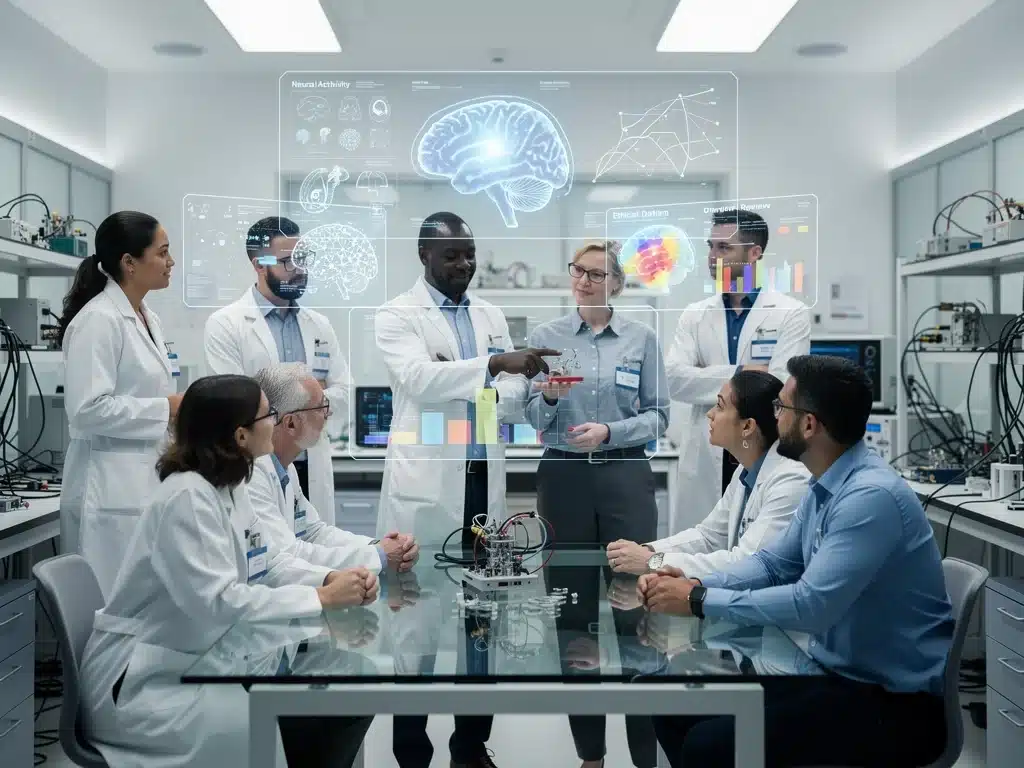
The debate extends to the very definition of what it means to be human in an era where brain functions can be augmented or restored through artificial means. Addressing these ethical challenges requires a multidisciplinary approach, involving neuroscientists, ethicists, legal scholars, policymakers, and the public. Proactive engagement in these discussions is essential to prevent unintended consequences and ensure that neurotechnology serves the greater good.
Furthermore, the ethical landscape is not static; it evolves with each new technological breakthrough. What seems futuristic today could be commonplace by 2026, necessitating continuous re-evaluation of norms and guidelines. The U.S. is striving to lead in these discussions, recognizing that the responsible development of neurotechnology is as important as its technological advancement. This proactive stance is crucial for building public trust and ensuring sustainable innovation.
Regulatory Frameworks and Policy Development
The rapid pace of neurotechnological innovation often outstrips the development of appropriate regulatory frameworks. In the U.S., by 2026, there will be an intensified focus on creating adaptive and comprehensive policies to govern the research, development, and deployment of these advanced devices. This involves balancing innovation with safety, ethical considerations, and public interest.
Existing regulatory bodies like the FDA play a crucial role in ensuring the safety and efficacy of neuromedical devices. However, the scope of neurotechnology extends beyond traditional medical applications, venturing into wellness, consumer electronics, and even military uses. This broader application demands a more expansive and coordinated regulatory approach.
Key Areas for Policy Development
- Data Governance and Security: Establishing clear guidelines for the collection, storage, use, and sharing of brain data, including robust cybersecurity measures.
- Informed Consent: Developing new standards for informed consent that address the unique complexities of brain interventions and data implications.
- Liability and Accountability: Defining responsibility for potential harms or unintended consequences arising from neurotechnological devices, especially as AI integration becomes more prevalent.
- International Harmonization: Collaborating with international bodies to establish global standards and prevent regulatory arbitrage, given the global nature of technological development.
The challenge lies in creating regulations that are flexible enough to accommodate future innovations without stifling progress, yet robust enough to protect individual rights and societal values. The U.S. government, alongside academic institutions and industry leaders, is actively exploring different models for effective oversight. This includes the potential for new agencies or inter-agency collaborations specifically tasked with neuroethical and neuroregulatory issues. The aim is to foster a responsible innovation ecosystem that can bring the benefits of neurotechnology to society while mitigating its risks.
Furthermore, public education and engagement are vital components of successful policy development. A well-informed populace is better equipped to participate in discussions about the future of neurotechnology and to hold developers and policymakers accountable. This democratic approach ensures that regulations reflect societal values rather than being dictated solely by technological capabilities.
Breakthroughs and Innovations Driving the Market
The projected growth of the U.S. neurotechnology market by 2026 is underpinned by remarkable scientific and engineering breakthroughs. These innovations are not only improving existing treatments but also opening entirely new avenues for understanding and interacting with the brain. From highly precise brain mapping techniques to advanced neural interfaces, the pace of discovery is accelerating.
One of the most significant areas of advancement is in non-invasive brain imaging and stimulation. Techniques like functional near-infrared spectroscopy (fNIRS) and transcranial magnetic stimulation (TMS) are becoming more sophisticated and accessible, offering insights into brain activity and potential therapeutic interventions without the need for surgery. These tools are crucial for both clinical applications and for advancing our fundamental understanding of brain function.
Pioneering Neurotech Innovations
- High-Resolution Brain-Computer Interfaces (BCIs): Development of BCIs with increased signal fidelity and more intuitive control, enabling more natural and effective communication or prosthetic movement.
- Adaptive Neuromodulation: Devices that can sense brain activity and adjust stimulation in real-time, providing personalized and highly effective treatments for conditions like epilepsy or depression.
- AI-Powered Neuro-diagnostics: Leveraging artificial intelligence and machine learning to analyze complex brain data, leading to earlier and more accurate diagnoses of neurological conditions.
- Optogenetics and Chemogenetics: While still largely in research phases, these techniques offer unprecedented precision in controlling specific neural circuits, holding immense promise for future therapeutic applications.
These breakthroughs are not isolated; they often build upon each other, creating a synergistic effect that propels the entire field forward. For instance, improved brain imaging allows for better placement and calibration of neurostimulation devices, while AI enhances the interpretation of complex neural signals from BCIs. The integration of these various technologies is creating a powerful toolkit for addressing a wide range of neurological challenges.
The U.S. ecosystem, with its strong academic research institutions, venture capital funding, and a culture of innovation, is particularly well-suited to foster these types of interdisciplinary advancements. This environment ensures that the U.S. remains at the forefront of neurotechnology, driving both scientific discovery and market application.
Societal Impact and Future Implications
The widespread adoption of neurotechnology by 2026 will undoubtedly have profound societal implications, extending far beyond individual health and well-being. These technologies have the potential to reshape how we learn, work, communicate, and even define human experience. Understanding and preparing for these shifts is crucial for a smooth and beneficial integration.
In education, neurotechnology could offer personalized learning experiences, adapting to individual cognitive styles and enhancing memory or focus. In the workplace, BCIs might enable more intuitive control of complex machinery or facilitate seamless human-computer interaction, potentially increasing productivity. However, concerns about cognitive inequality and job displacement will also arise.
Transformative Societal Changes
- Enhanced Healthcare Delivery: More precise diagnostics, personalized treatments, and remote monitoring capabilities for neurological conditions.
- Redefining Human Capabilities: The potential for cognitive augmentation, leading to improvements in memory, attention, and learning, raising questions about what constitutes ‘normal’ human ability.
- New Forms of Communication: Direct brain-to-brain or brain-to-computer communication could revolutionize how individuals interact, offering new possibilities for those with severe communication impairments.
- Ethical and Legal Precedents: The need to establish new legal frameworks for brain data ownership, neuro-rights, and the legal status of augmented individuals.
The integration of neurotechnology into daily life will necessitate broad public discourse and adaptation. Educational systems will need to prepare future generations for a world where brain interfaces are commonplace. Legal systems will grapple with new concepts of consent and responsibility. Perhaps most importantly, society will need to collectively reflect on the values and principles that should guide our interaction with technologies that directly touch the core of our being.
The ultimate aim is to harness the transformative power of neurotechnology in a way that maximizes its benefits while minimizing its risks, ensuring that these advancements contribute to a more inclusive, healthy, and equitable future for all. The U.S., as a leader in this field, bears a significant responsibility in setting the global standard for responsible neurotechnological development and integration.

The Path Forward: Collaboration and Responsible Innovation
The successful development and integration of neurotechnology in the U.S. by 2026 hinge on sustained collaboration and a commitment to responsible innovation. This involves a synergistic effort between academia, industry, government, and civil society. No single entity can navigate the complexities of this field alone; interdisciplinary and multi-stakeholder engagement is essential.
Academic institutions will continue to be the bedrock of fundamental research, pushing the boundaries of what is scientifically possible. Industry players, from startups to established tech giants, will be crucial in translating these discoveries into viable products and services. Government agencies will provide funding, regulatory oversight, and strategic direction, ensuring alignment with national priorities.
Pillars of Responsible Innovation
- Interdisciplinary Research: Fostering collaboration between neuroscientists, engineers, ethicists, sociologists, and legal experts to address both technical and societal challenges.
- Public Engagement and Education: Transparent communication with the public about neurotechnology’s potential and risks, ensuring informed societal consent and participation in decision-making.
- Ethical Design Principles: Integrating ethical considerations into the very design process of neurotechnological devices, rather than as an afterthought.
- Adaptive Governance Models: Developing flexible regulatory and policy frameworks that can evolve with the rapid pace of technological change.
Furthermore, fostering a culture of ethical reflection within the neurotech community itself is paramount. Scientists and engineers must be equipped with the tools and perspectives to consider the broader implications of their work. This includes training in neuroethics and encouraging open dialogue about potential challenges.
The U.S. has a unique opportunity to lead the world in demonstrating how neurotechnology can be developed and deployed responsibly. By prioritizing ethical considerations alongside technological advancement, the nation can ensure that these powerful tools truly serve humanity, enhancing lives and fostering a more connected and understanding society. The journey to 2026 and beyond will be defined not just by what we can build, but by how wisely we choose to use it.
| Key Aspect | Description for 2026 U.S. Neurotech |
|---|---|
| Market Growth | Significant expansion driven by BCI advancements, neuromodulation, and increased R&D investment in medical and consumer sectors. |
| Ethical Challenges | Focus on brain data privacy, autonomy, identity concerns, and ensuring equitable access to advanced neurotechnologies. |
| Regulatory Needs | Development of adaptive policies for data governance, informed consent, liability, and international standards. |
| Societal Impact | Potential for enhanced healthcare, redefined human capabilities, new communication forms, and complex legal precedents. |
Frequently Asked Questions About Neurotechnology in 2026
The U.S. neurotechnology market growth is primarily driven by increasing investments in R&D, a rising prevalence of neurological disorders, significant advancements in brain-computer interfaces (BCIs), and supportive government initiatives like the BRAIN Initiative. These factors are accelerating both medical and consumer applications.
Key ethical concerns include the privacy and security of sensitive brain data, maintaining individual autonomy in the face of cognitive influence, potential alterations to personal identity, and ensuring equitable access to advanced neurotechnologies to prevent a ‘neuro-divide’ among populations.
U.S. regulatory bodies, such as the FDA, are intensifying efforts to create adaptive policies. This involves focusing on data governance, informed consent standards unique to brain interventions, establishing liability for potential harms, and collaborating internationally to harmonize standards for safer, more effective deployment.
Widespread neurotechnology adoption could lead to enhanced healthcare delivery, redefine human cognitive capabilities, foster new forms of communication, and necessitate the creation of new legal and ethical precedents regarding brain data ownership and neuro-rights, profoundly impacting daily life.
Collaboration among academia, industry, government, and civil society is crucial for responsible innovation. This synergistic approach ensures that neurotechnology development prioritizes ethical design, public engagement, interdisciplinary research, and adaptive governance, maximizing benefits while mitigating risks for society.
Conclusion
The journey into the future of neurotechnology in the U.S. by 2026 is one of immense promise coupled with significant responsibility. As the market expands and innovations accelerate, the imperative to address ethical considerations and establish robust regulatory frameworks becomes ever more critical. The convergence of scientific ingenuity, economic investment, and societal needs positions neurotechnology as a field poised to redefine human potential and well-being. By fostering collaboration, prioritizing ethical design, and engaging in transparent public discourse, the U.S. can lead the way in ensuring that these powerful advancements serve as a force for good, shaping a future where technology enhances humanity responsibly and equitably.
