Robotics & Automation: 15% Cost Reduction for US Manufacturers by 2026
Advertisements
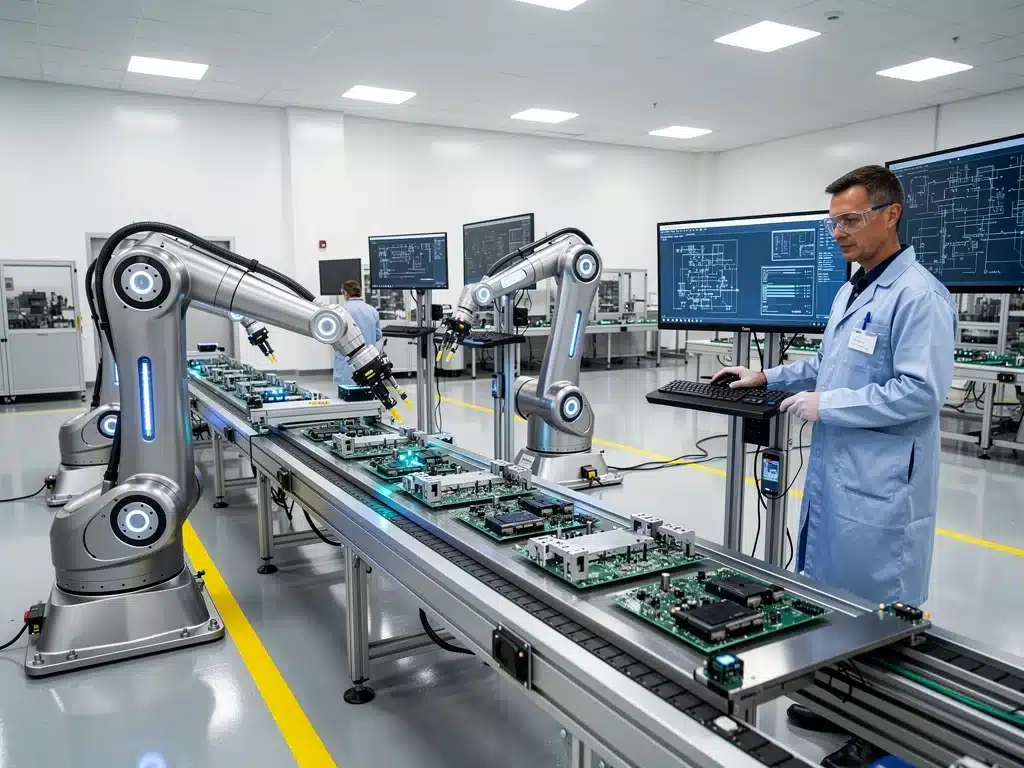
The integration of robotics and advanced automation is set to revolutionize U.S. manufacturing, projecting a significant 15% reduction in operational costs by 2026, enhancing productivity and global competitiveness across the industry.
Advertisements
The landscape of American manufacturing is on the cusp of a profound transformation. By 2026, the future of robotics and automation is projected to reduce operational costs for U.S. manufacturers by an impressive 15%, fundamentally reshaping how goods are produced and delivered. This isn’t just about replacing human labor; it’s about augmenting capabilities, enhancing precision, and unlocking unprecedented levels of efficiency, paving the way for a more competitive and resilient industrial sector.
The automation imperative: driving down operational costs
In today’s fiercely competitive global market, U.S. manufacturers face continuous pressure to optimize their operations and reduce expenses. Automation stands out as a critical solution to this challenge, offering a clear path to significant cost savings. By leveraging advanced robotics, companies can streamline processes, minimize waste, and improve overall productivity, directly impacting their bottom line.
The move towards greater automation is not a luxury but a strategic necessity for businesses aiming for long-term sustainability and growth. It allows manufacturers to reallocate resources more effectively, investing in areas that drive innovation and higher-value activities. The initial investment in robotic systems is increasingly justified by the substantial returns seen in reduced labor costs, energy consumption, and material waste.
Enhanced efficiency and quality control
Robots excel at repetitive tasks, performing them with unwavering accuracy and speed that human workers cannot consistently match. This precision not only accelerates production but also drastically reduces errors and defects, leading to higher quality products and fewer recalls.
- Reduced Rework: Fewer errors mean less time and material spent correcting mistakes.
- Consistent Output: Robots maintain uniform quality across all units, ensuring product reliability.
- Faster Throughput: Automated lines can operate 24/7, significantly increasing production volume.
- Optimized Material Usage: Precision in handling and assembly minimizes waste of expensive raw materials.
The impact of automation on efficiency extends beyond the production line, influencing supply chain management and inventory control. Real-time data from automated systems provides insights that enable manufacturers to make more informed decisions, managing resources with greater foresight and agility. This holistic approach to efficiency is a cornerstone of the projected 15% operational cost reduction.
Ultimately, the core argument for automation lies in its ability to create a more robust, efficient, and cost-effective manufacturing ecosystem. It addresses labor shortages, ensures consistent quality, and, most importantly, provides a tangible advantage in a global economy where every penny counts. The strategic adoption of robotics is therefore a direct investment in the future competitiveness of U.S. manufacturing.
Labor optimization and workforce transformation
One of the most frequently discussed aspects of robotics in manufacturing is its impact on labor. While concerns about job displacement are valid, the reality is more nuanced. Automation is not simply replacing workers; it is transforming roles, creating new opportunities, and allowing human capital to be utilized in more strategic and value-added capacities.
Robots are ideally suited for tasks that are dangerous, repetitive, or ergonomically challenging for humans. By taking over these roles, manufacturers can improve workplace safety, reduce instances of injury, and free up their human employees to focus on complex problem-solving, quality assurance, and innovation. This shift elevates the human role from manual labor to oversight and strategic management of automated systems.
Reskilling and upskilling initiatives
The transition to an automated workforce necessitates significant investment in training and education. Manufacturers are increasingly partnering with educational institutions and offering internal programs to reskill their current employees for new roles that involve operating, maintaining, and programming robotic systems. This proactive approach ensures that the human workforce evolves alongside technology.
- Robotics Technicians: Demand for skilled individuals to install, troubleshoot, and repair robots.
- Data Analysts: Professionals to interpret the vast amounts of data generated by automated systems.
- AI/ML Specialists: Experts to develop and refine the algorithms that drive intelligent automation.
- Process Engineers: Individuals to design, optimize, and integrate automated workflows.
By investing in their workforce, companies can mitigate the social impact of automation while simultaneously building a more skilled and adaptable labor force. This approach ensures that the benefits of reduced operational costs are not solely derived from labor reduction but also from a more efficient and capable human-machine collaboration. The optimized allocation of labor, where robots handle the mundane and dangerous, and humans manage the complex and creative, is a key driver for the projected cost savings.
The transformation of the workforce through robotics is a journey of adaptation and growth. It emphasizes human ingenuity in new contexts and ensures that, even as machines become more capable, the unique contributions of human workers remain central to manufacturing success. This symbiotic relationship is crucial for achieving the ambitious cost reduction targets.
Predictive maintenance and enhanced asset utilization
The integration of advanced robotics is not just about automating production tasks; it also extends to the maintenance and management of the manufacturing equipment itself. Predictive maintenance, powered by AI and machine learning, is revolutionizing how machinery is kept in optimal working condition, leading to substantial savings in downtime and repair costs.
Traditional maintenance often involves scheduled checks or reactive repairs after a breakdown. Both approaches have their inefficiencies. Scheduled maintenance can lead to unnecessary interventions or missed issues, while reactive maintenance results in costly, unplanned downtime. Predictive maintenance, however, uses sensors and data analytics to anticipate equipment failures before they occur.
Maximizing uptime and extending equipment life
By continuously monitoring the performance of robotic systems and other machinery, manufacturers can identify subtle anomalies that indicate impending issues. This allows for proactive maintenance interventions, replacing components or performing repairs during planned downtime, thereby preventing catastrophic failures and extending the lifespan of expensive assets.
- Reduced Unplanned Downtime: Maintenance is scheduled strategically, minimizing production interruptions.
- Lower Repair Costs: Addressing minor issues before they escalate into major breakdowns is significantly cheaper.
- Extended Asset Lifespan: Proactive care keeps machinery in better condition for longer, delaying costly replacements.
- Optimized Spare Parts Inventory: Data-driven predictions allow for more efficient management of spare parts.
The ability to predict and prevent equipment failures directly contributes to the 15% operational cost reduction. Less downtime means more production, and fewer emergency repairs translate to significant savings in labor and parts. Furthermore, optimizing asset utilization ensures that every piece of machinery is working at its peak efficiency for as long as possible, maximizing the return on investment for capital expenditure.
Ultimately, predictive maintenance transforms maintenance from a cost center into a strategic advantage. It ensures continuous operation, reduces waste, and enhances the overall reliability of the manufacturing process, making it an indispensable component of modern, cost-efficient production. This intelligent approach to asset management is a cornerstone of future manufacturing success.
Energy efficiency and sustainable manufacturing
Beyond labor and maintenance, robotics and automation are making significant strides in reducing energy consumption and promoting more sustainable manufacturing practices. Modern robotic systems are designed with energy efficiency in mind, and their precise operation minimizes waste, contributing to both environmental goals and cost savings.
Energy costs represent a substantial portion of operational expenses for many manufacturers. By optimizing processes and utilizing energy-efficient technologies, companies can achieve considerable reductions. Automation allows for more precise control over machinery operation, ensuring that energy is used only when and where it is needed, avoiding unnecessary consumption.
Smart factories and reduced environmental footprint
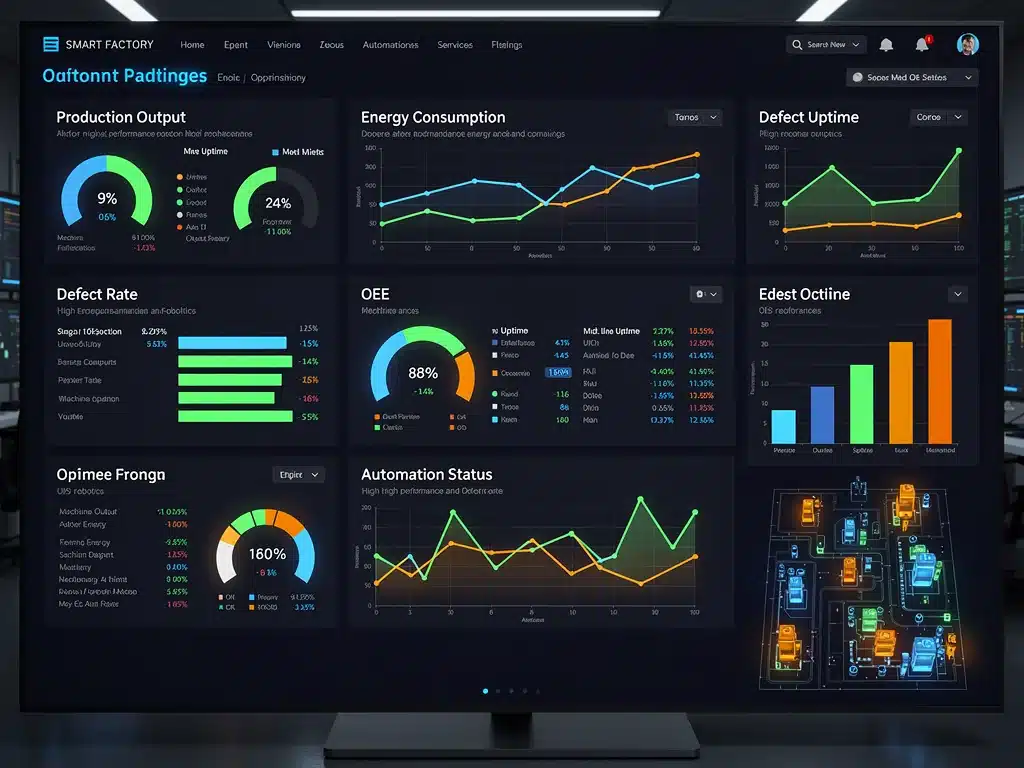
The concept of a ‘smart factory’ heavily relies on automation to create a highly efficient and environmentally conscious production environment. Integrated sensors and intelligent systems monitor energy usage in real-time, identifying areas for optimization and allowing for dynamic adjustments to reduce consumption.
- Optimized Machine Cycles: Robots perform tasks with greater precision, reducing wasted motion and energy.
- Reduced Scrap Material: Higher accuracy leads to fewer defective products and less material going to waste.
- Intelligent Lighting and HVAC: Automated systems can adjust factory conditions based on occupancy and production needs.
- Waste Management Automation: Robotic sorting and recycling systems improve material recovery and reduce landfill waste.
The drive towards sustainable manufacturing is not just about corporate responsibility; it’s also about economic prudence. Reduced energy consumption lowers utility bills, and minimizing waste translates to savings on raw materials and disposal costs. These environmental benefits directly contribute to the projected 15% reduction in operational costs, making sustainability a key factor in financial performance.
In essence, robotics empowers manufacturers to build more with less impact. By fostering a culture of efficiency and waste reduction, automation supports a future where industrial growth and environmental stewardship go hand-in-hand. This dual benefit underscores the transformative power of robotics in achieving both economic and ecological objectives.
Supply chain resilience and localized production
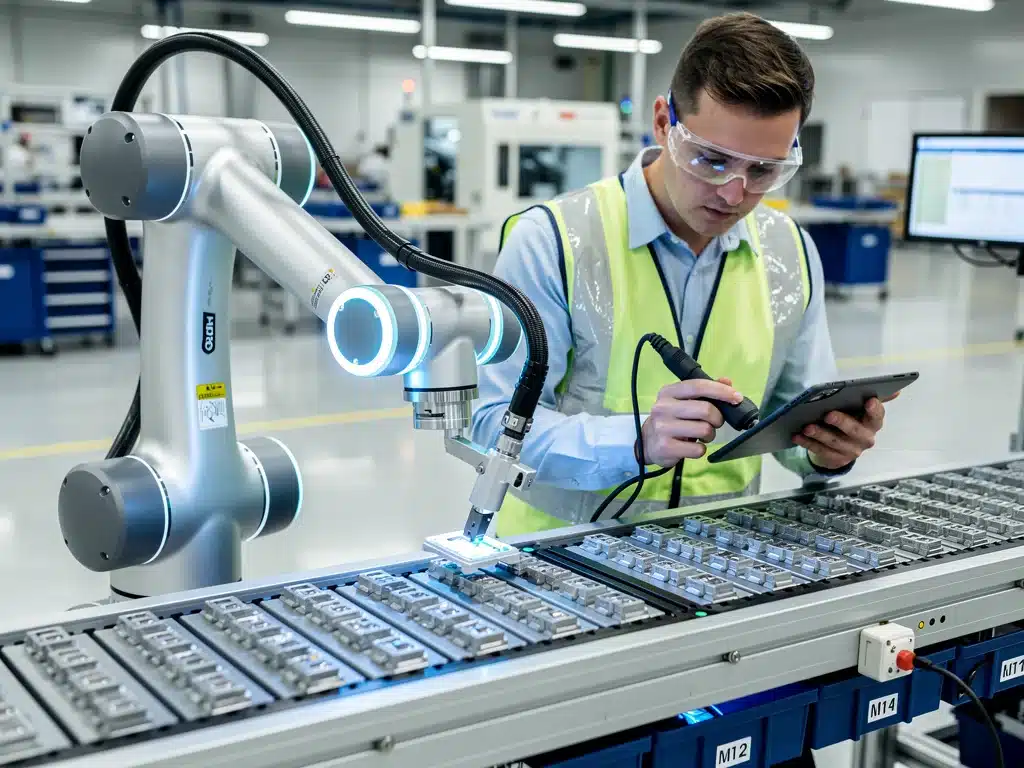
Recent global events have underscored the vulnerabilities of extended supply chains. Robotics and automation offer a powerful solution by enabling greater supply chain resilience and fostering a trend towards localized production. This shift can significantly reduce transportation costs, lead times, and the risks associated with geopolitical instability, directly impacting operational costs.
By automating production processes, U.S. manufacturers can make domestic production more cost-competitive, even against regions with lower labor costs. This allows companies to bring manufacturing closer to their customer base, reducing shipping expenses and environmental impact, while also enhancing their ability to respond quickly to market demands.
Agile manufacturing and inventory reduction
Automated systems facilitate agile manufacturing, allowing factories to quickly reconfigure production lines to meet changing product specifications or demand fluctuations. This flexibility reduces the need for large inventories, a significant cost saving for many businesses, and minimizes the risk of obsolescence.
- Reduced Transportation Costs: Shorter distances between production and consumption points.
- Faster Time-to-Market: Localized production streamlines the entire product lifecycle.
- Lower Inventory Holding Costs: Agile production reduces the need for extensive stockpiles.
- Enhanced Quality Control: Closer proximity allows for better oversight of manufacturing processes.
The ability to produce goods domestically with automated efficiency strengthens national supply chains, making them less susceptible to external disruptions. This strategic advantage, combined with the direct cost savings from reduced logistics and inventory, is a significant contributor to the 15% operational cost reduction. It fosters a more robust and responsive manufacturing sector, ready to face future challenges.
Ultimately, robotics is not just about making things faster or cheaper; it’s about making supply chains smarter and more secure. By enabling greater localization and agility, automation ensures that U.S. manufacturers can maintain a competitive edge while building a more resilient industrial base for the future.
The competitive edge: U.S. manufacturing in 2026
The confluence of these factors—labor optimization, predictive maintenance, energy efficiency, and supply chain resilience—positions U.S. manufacturing for a significant competitive advantage by 2026. The projected 15% reduction in operational costs is not merely a number; it represents a fundamental shift that will allow American industries to thrive in a globalized economy.
By embracing robotics and advanced automation, U.S. manufacturers can overcome challenges such as rising labor costs and international competition. This technological adoption enables them to produce high-quality goods more efficiently and cost-effectively, making them more attractive to domestic and international markets. The investment in automation today is an investment in future market leadership.
Innovation and economic growth
The enhanced efficiency and cost savings generated by automation free up capital that can be reinvested into research and development, fostering further innovation. This creates a virtuous cycle where technological advancement drives economic growth, leading to new products, services, and ultimately, a stronger national economy.
- Increased R&D Investment: More capital available for developing cutting-edge technologies.
- New Industry Creation: Automation spurs the growth of supporting industries (robotics, AI, data analytics).
- Higher-Value Job Creation: Focus shifts to roles requiring advanced technical and cognitive skills.
- Global Competitiveness: U.S. products become more attractive due to quality and cost efficiency.
The vision for 2026 is one where U.S. manufacturing is not just surviving but flourishing, driven by smart technologies and a skilled workforce. The 15% operational cost reduction will translate into stronger profit margins, greater investment capacity, and a more robust industrial base capable of pioneering the next wave of technological breakthroughs. This strategic embrace of robotics is critical for securing America’s economic future.
In conclusion, the transformative power of robotics and automation is undeniable. It promises a future where U.S. manufacturers are not only more efficient and profitable but also more innovative and globally competitive. The journey to 2026 will be defined by how effectively these technologies are integrated and leveraged to build a more resilient and prosperous manufacturing sector.
| Key Aspect | Impact on Operational Costs |
|---|---|
| Labor Optimization | Reduces direct labor expenses and improves workforce efficiency through task reallocation. |
| Predictive Maintenance | Minimizes unplanned downtime and lowers repair costs by anticipating equipment failures. |
| Energy Efficiency | Decreases utility bills and material waste through optimized processes and smart factory management. |
| Supply Chain Resilience | Reduces transportation and inventory costs by enabling localized and agile production. |
Frequently asked questions about robotics in manufacturing
The 15% reduction stems from several factors: improved labor efficiency, minimized waste due to precision, decreased energy consumption, and reduced downtime from predictive maintenance. These combined efficiencies streamline production processes and cut expenses across the board, making operations significantly more cost-effective.
Collaborative robots (cobots), autonomous mobile robots (AMRs) for logistics, and advanced industrial robots for assembly and welding are key. These robots offer flexibility, safety, and efficiency, allowing manufacturers to automate a wider range of tasks and integrate them seamlessly into existing workflows, maximizing their impact on cost savings.
While some roles may be automated, the overall impact is more complex. Automation typically shifts the nature of work, creating new positions in robot operation, maintenance, and programming. Manufacturers are investing in reskilling initiatives to prepare their workforce for these evolving roles, fostering human-robot collaboration rather than outright replacement.
Key challenges include the initial capital investment, integrating new systems with legacy infrastructure, and finding skilled workers to manage and maintain advanced robotics. Cybersecurity concerns and the need for robust data analytics capabilities also pose significant hurdles that must be addressed for successful implementation.
Localized production reduces reliance on lengthy, complex global supply chains, cutting down on transportation costs and lead times. It also allows for more agile responses to market changes, minimizing inventory holding costs and the risks associated with supply chain disruptions, thereby directly lowering overall operational expenses for manufacturers.
Conclusion
The journey towards a 15% reduction in operational costs for U.S. manufacturers by 2026, driven by the strategic integration of robotics and automation, is not merely an aspiration but a tangible pathway to a more resilient and prosperous industrial future. This transformation encompasses optimized labor, predictive maintenance, enhanced energy efficiency, and strengthened supply chains, collectively creating an ecosystem where American industries can thrive. By embracing these technological advancements, manufacturers are not just cutting costs; they are investing in innovation, fostering new job opportunities, and securing a leading position in the global economy, ensuring sustained growth and competitiveness for decades to come.
